
- Rating: ★★★★★
- Editura: Art, imprint Grafic
- Traducere: Alex Moldovan, Mariana Buruiană
- Pagini: 168
- Goodreads: Berlin. Cartea a treia: Oraș al luminii
- Poate fi cumpărată de aici: https://www.editura-paladin.ro/info/carte/berlin-cartea-a-treia-oras-al-luminii
„Berlin. Cartea a treia: Oraș al luminii” este volumul care încheie trilogia lui Jason Lutes dedicată Berlinului de la sfârșitul anilor ’20 și începutul anilor ’30, o perioadă în care orașul trece prin schimbări uriașe, iar societatea germană se îndreaptă tot mai repede spre extremism și dictatură. Dacă în primele două volume am avut ocazia să descopăr un Berlin agitat, viu, plin de contraste și de oameni care încearcă să-și construiască un viitor, în această ultimă parte atmosfera devine mult mai apăsătoare. Orașul pe care îl știm din poveștile despre artă, libertate și efervescență culturală începe să dispară, iar locul lui este luat de frică, violență și intoleranță.
Mi-a plăcut destul de mult acest roman grafic și, privind trilogia în ansamblu, mă bucur foarte mult că am ales să o citesc. Mi s-a părut o experiență diferită față de o carte obișnuită despre această perioadă istorică. Știam deja multe lucruri despre ascensiunea lui Hitler și despre Germania anilor ’30, însă Jason Lutes mi-a oferit posibilitatea de a privi aceste evenimente prin intermediul unor oameni obișnuiți și al vieților lor. Prin desene, expresii, gesturi și mici momente de zi cu zi, istoria devine mult mai apropiată și mai ușor de simțit.
În acest volum, ascensiunea partidului național-socialist este din ce în ce mai greu de ignorat. Ideologia nazistă pătrunde în toate aspectele vieții, iar oamenii ajung să fie tratați diferit în funcție de convingerile lor politice. Cei care susțin noul regim beneficiază de anumite avantaje și sunt priviți cu mai multă îngăduință, în timp ce cei care se opun sunt marginalizați, amenințați și supuși unor nedreptăți tot mai mari. Mi-a plăcut faptul că Lutes nu prezintă aceste schimbări doar la nivelul marilor evenimente istorice, ci arată cum ele afectează concret viețile oamenilor: locurile de muncă, familiile, prieteniile, relațiile dintre vecini și chiar sentimentul de siguranță pe care îl ai atunci când ieși pe stradă.
Unul dintre lucrurile care mi-au plăcut cel mai mult la trilogie este tocmai această perspectivă asupra oamenilor din categorii sociale diferite. În „Oraș al luminii”, această idee devine și mai puternică. Familia Braun continuă să se confrunte cu problemele provocate de sărăcie și de instabilitatea politică, iar tensiunile din interiorul familiei sunt amplificate de faptul că oamenii ajung să aibă opinii politice foarte diferite. Pentru ei, politica nu mai este ceva îndepărtat, despre care se vorbește doar în ziare. Ea intră direct în casă și începe să le afecteze relațiile și modul în care se privesc unii pe ceilalți.
Kurt Severing și Marthe Müller rămân, la rândul lor, două dintre personajele prin intermediul cărora putem vedea transformarea orașului. Kurt, jurnalistul atent la ceea ce se întâmplă în jurul lui, încearcă să înțeleagă și să surprindă schimbările care au loc, în timp ce Marthe, artistă, privește cu tot mai multă neliniște lumea în care trăiește. Relația lor și felul în care fiecare reacționează la ceea ce se întâmplă în jur mi s-au părut importante tocmai pentru că arată cât de dificil este să rămâi același atunci când societatea din jurul tău se schimbă radical.
Pe măsură ce acțiunea avansează, Berlinul pare să-și piardă treptat libertatea. Oamenii devin mai precauți, conversațiile sunt purtate cu teamă, iar diferențele dintre cei care susțin regimul și cei care i se opun devin din ce în ce mai vizibile. Ceea ce mi s-a părut dureros este că nu toți oamenii reacționează în același fel. Unii aleg să se adapteze noii realități, alții profită de ea, iar alții încearcă să se opună, chiar dacă acest lucru vine cu un preț foarte mare. Tocmai aceste reacții diferite fac ca povestea să pară atât de realistă.
În același timp, romanul nu este lipsit complet de speranță. Chiar și într-un Berlin care pare să se îndrepte spre un viitor tot mai întunecat, există oameni care continuă să creadă că lucrurile se pot schimba. Mi-a plăcut această mică rază de lumină din poveste, pentru că face ca totul să nu fie doar despre pierdere și disperare. Speranța personajelor este fragilă, uneori aproape imposibil de susținut, dar există. Iar tocmai faptul că ea apare într-o perioadă atât de dificilă mi s-a părut cu atât mai important.
Lectura nu a fost întotdeauna ușoară. Din contră, au existat multe momente care mi s-au părut apăsătoare și chiar dureroase. Cred că unul dintre cele mai puternice lucruri pe care le face Jason Lutes este să surprindă toate aceste nuanțe ale orașului. Berlinul nu este prezentat doar ca un loc în care se întâmplă evenimente istorice importante, ci ca un oraș în care milioane de vieți sunt afectate de aceste schimbări. Vedem frica, sărăcia, furia, confuzia, oportunismul, curajul, dar și speranța. Toate acestea coexistă și construiesc imaginea unui oraș care se schimbă puțin câte puțin, până când aproape că nu mai seamănă cu cel de la începutul trilogiei.
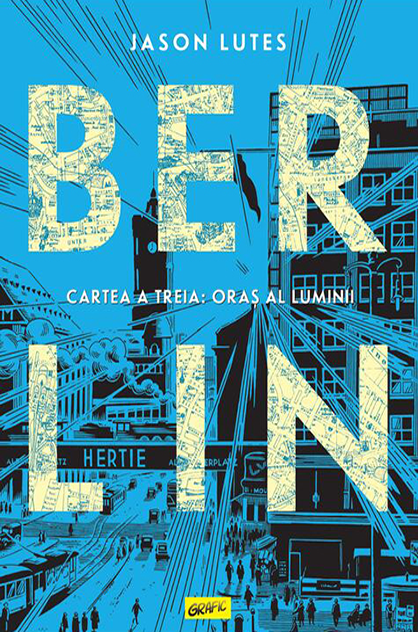
Un alt aspect care mi-a plăcut foarte mult este felul în care Lutes reconstruiește atmosfera epocii. Desenele alb-negru, decorurile, străzile Berlinului, hainele personajelor și numeroasele detalii inspirate din fotografii și materiale de epocă fac ca povestea să pară foarte vie. Ai impresia că privești printr-o fereastră către un Berlin care a existat cu aproape un secol în urmă. Inclusiv apariția unor fragmente de ziare și a unor elemente inspirate din documente ale vremii contribuie la senzația că ficțiunea și istoria se întâlnesc permanent.
Pentru mine, acesta a fost și unul dintre cele mai interesante lucruri la întreaga trilogie. Deși aveam deja anumite cunoștințe despre perioada de dinaintea celui de-Al Doilea Război Mondial, lectura mi-a oferit și informații și perspective pe care nu le întâlnisem până atunci. Mai mult decât atât, mi le-a prezentat într-un mod complet diferit: nu doar prin explicații sau date istorice, ci prin imagini și prin poveștile unor personaje. Uneori, un gest, o privire sau o scenă desenată poate transmite foarte mult fără să fie nevoie de pagini întregi de explicații.
Mi se pare că titlul „Oraș al luminii” capătă și o semnificație aparte atunci când ajungi la finalul trilogiei. Berlinul fusese un centru al artei, al culturii și al ideilor liberale, dar această lumină începe să fie acoperită de întunericul extremismului. Tocmai contrastul dintre cele două imagini ale orașului face ca finalul să fie atât de puternic. Este povestea unui loc care se schimbă, dar și a oamenilor care încearcă să supraviețuiască acestor schimbări.
Per total, mă bucur că am citit trilogia „Berlin”. A fost o lectură interesantă, dar și una care m-a făcut să mă simt inconfortabil în multe momente. Cred că acesta este și unul dintre motivele pentru care mi-a rămas atât de mult în minte. Jason Lutes nu încearcă să transforme această perioadă într-o poveste simplă, cu personaje bune și personaje rele, ci arată cât de complicate pot deveni lucrurile atunci când o societate începe să se schimbe radical.
„Berlin. Cartea a treia: Oraș al luminii” mi-a plăcut în mod special pentru că reușește să îmbine istoria cu poveștile personale ale personajelor și să ofere o imagine foarte umană a unei perioade extrem de dificile. Este o carte despre un oraș, dar și despre oamenii care locuiesc în el, despre alegerile lor, despre frică și despre încercarea de a păstra un strop de speranță atunci când totul pare să se destrame.


Berlin. Book Three: City of Light – Jason Lutes (Berlin, #3)
“Berlin. Book Three: City of Light” is the volume that concludes Jason Lutes’ trilogy about Berlin in the late 1920s and early 1930s, a period when the city is undergoing enormous changes and German society is moving ever more rapidly toward extremism and dictatorship. While in the first two volumes we had the opportunity to discover a restless, vibrant Berlin, full of contrasts and people trying to build a future for themselves, the atmosphere in this final part becomes much more oppressive. The city we know from stories about art, freedom, and cultural vitality begins to disappear, replaced by fear, violence, and intolerance.
I enjoyed this graphic novel quite a lot, and looking at the trilogy as a whole, I’m very glad I chose to read it. It felt like a very different experience from reading a conventional book about this historical period. I already knew a great deal about Hitler’s rise to power and about Germany in the 1930s, but Jason Lutes gave me the opportunity to look at these events through the lives of ordinary people. Through drawings, expressions, gestures, and small everyday moments, history becomes much more immediate and easier to feel on a personal level.
In this volume, the rise of the National Socialist Party becomes increasingly difficult to ignore. Nazi ideology begins to penetrate every aspect of life, and people are treated differently depending on their political beliefs. Those who support the new regime receive certain advantages and are treated with greater tolerance, while those who oppose it are marginalized, threatened, and subjected to increasingly serious injustices. I liked the fact that Lutes doesn’t present these changes only through major historical events, but shows how they concretely affect people’s lives: their jobs, families, friendships, relationships with their neighbors, and even the sense of safety they have when walking down the street.
One of the things I liked most about the trilogy is precisely this perspective on people from different social backgrounds. In “City of Light,” this idea becomes even more powerful. The Braun family continues to struggle with problems caused by poverty and political instability, while tensions within the family are intensified by the fact that people begin to hold very different political opinions. For them, politics is no longer something distant, something discussed only in newspapers. It enters their home directly and begins to affect their relationships and the way they see one another.
Kurt Severing and Marthe Müller also remain two of the characters through whom we can witness the transformation of the city. Kurt, a journalist who pays close attention to what is happening around him, tries to understand and capture the changes taking place, while Marthe, an artist, looks at the world around her with increasing unease. Their relationship, and the way each of them responds to what is happening around them, felt important to me precisely because they show how difficult it is to remain the same when the society around you is changing so radically.
As the story progresses, Berlin seems to gradually lose its freedom. People become more cautious, conversations are held with fear, and the differences between those who support the regime and those who oppose it become increasingly visible. What I found painful is that not everyone reacts in the same way. Some people choose to adapt to the new reality, others take advantage of it, while others try to resist, even when doing so comes at a very high price. These different reactions are precisely what make the story feel so realistic.
At the same time, the novel is not completely devoid of hope. Even in a Berlin that seems to be heading toward an increasingly dark future, there are people who continue to believe that things can change. I liked this small ray of light in the story because it prevents the book from being entirely about loss and despair. The characters’ hope is fragile, sometimes almost impossible to hold on to, but it is there. And the fact that it exists during such a difficult period made it feel all the more important to me.
The reading experience was not always easy. On the contrary, there were many moments that I found oppressive and even painful. I think one of the most powerful things Jason Lutes does is capture all these different sides of the city. Berlin is not presented merely as a place where important historical events are taking place, but as a city in which millions of lives are affected by those changes. We see fear, poverty, anger, confusion, opportunism, courage, and also hope. All of these things coexist and build the image of a city that changes little by little, until it almost no longer resembles the Berlin we saw at the beginning of the trilogy.
Another aspect I really liked is the way Lutes reconstructs the atmosphere of the period. The black-and-white artwork, the settings, the streets of Berlin, the characters’ clothing, and the many details inspired by photographs and period materials make the story feel incredibly alive. You get the impression that you are looking through a window into a Berlin that existed almost a century ago. Even the appearance of newspaper excerpts and elements inspired by contemporary documents contributes to the feeling that fiction and history are constantly meeting.
For me, this was also one of the most interesting aspects of the entire trilogy. Although I already had some knowledge of the period leading up to the Second World War, the books gave me information and perspectives that I had not encountered before. More importantly, they presented them in a completely different way: not simply through explanations or historical facts, but through images and the stories of individual characters. Sometimes, a gesture, a look, or a single illustrated scene can communicate a great deal without requiring pages of explanation.
I feel that the title “City of Light” takes on a particular meaning once you reach the end of the trilogy. Berlin had been a center of art, culture, and liberal ideas, but that light begins to be covered by the darkness of extremism. It is precisely the contrast between these two images of the city that makes the ending so powerful. It is the story of a place that is changing, but also of the people trying to survive those changes.
Overall, I’m glad I read the “Berlin” trilogy. It was an interesting reading experience, but also one that made me uncomfortable at many points. I think that is one of the reasons it stayed with me for so long. Jason Lutes does not try to turn this period into a simple story with good characters and bad characters. Instead, he shows how complicated things can become when a society begins to change radically.
“Berlin. Book Three: City of Light” stood out to me in particular because it successfully combines history with the personal stories of its characters and offers a very human portrayal of an extremely difficult period. It is a book about a city, but also about the people who live in it, their choices, their fears, and their attempts to hold on to a small spark of hope when everything seems to be falling apart.
