
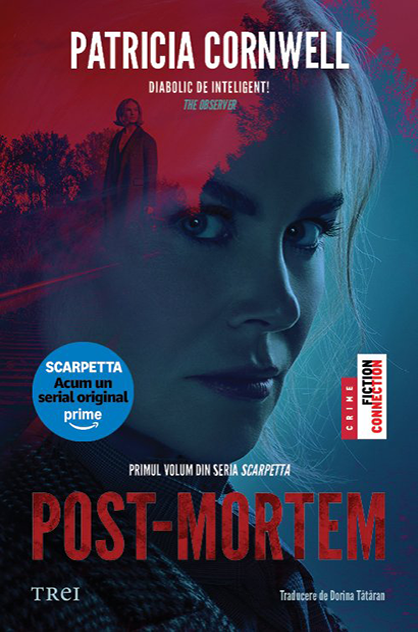
- Rating: ★★★★★
- Editura: Trei, imprint Fiction Connection / Crime
- Traducere: Dorina Tătăran
- Pagini: 400
- Goodreads: Post-mortem
- Poate fi cumpărată de aici: https://www.edituratrei.ro/carte/post-mortem-scarpetta/15224/
Am început „Post-mortem” de Patricia Cornwell cu destul de mult interes. Au fost foarte multe lucruri care m-au făcut curioasă în legătură cu această carte, mai ales numeroasele recenzii pozitive pe care le-am întâlnit de-a lungul timpului. M-am bucurat, de asemenea, să văd că romanul a fost tradus și la noi, pentru că este una dintre acele cărți despre care auzi atât de des încât, la un moment dat, simți nevoia să descoperi singur de ce a ajuns atât de cunoscută. „Post-mortem” este primul volum din seria dedicată lui Kay Scarpetta și reprezintă debutul unui personaj care avea să devină una dintre cele mai cunoscute femei din literatura crime. Romanul a apărut pentru prima dată în 1990 și a avut un succes impresionant, câștigând într-un singur an cele mai importante cinci premii dedicate literaturii crime: Edgar, Anthony, Macavity, John Creasey Memorial și Prix du Roman d’Aventure. Nu este, așadar, deloc surprinzător că romanul este considerat astăzi un titlu important al genului și că a fost inclus de revista Time printre cele mai bune 100 de cărți mystery & thriller din toate timpurile.
Acțiunea ne poartă în Richmond, Virginia, unde mai multe femei sunt găsite ucise în propriile locuințe. Victimele au fost strangulate, iar faptul că par să nu aibă nimic în comun face ca ancheta să fie cu atât mai complicată. În centrul investigației se află Dr. Kay Scarpetta, medicul șef legist, o femeie care este obișnuită să privească moartea cu multă luciditate și să caute răspunsuri acolo unde ceilalți văd doar tragedie. Criminalul pare să fie mereu cu un pas înaintea autorităților, iar pe măsură ce numărul victimelor crește, presiunea asupra celor care investighează cazul devine tot mai mare. Scarpetta nu trebuie doar să descopere ce s-a întâmplat cu fiecare victimă, ci să găsească legătura dintre crime și să încerce să înțeleagă omul care se află în spatele lor.
Unul dintre lucrurile care mi-au plăcut cel mai mult la carte a fost chiar personajul principal. La început, Kay Scarpetta mi s-a părut o femeie foarte dură, sigură pe ea și aproape complet concentrată asupra muncii sale. Este genul de persoană care pare că știe întotdeauna ce face și care nu se lasă ușor impresionată de ceea ce se întâmplă în jurul ei. Pe măsură ce povestea avansează însă, imaginea aceasta începe să se schimbe. Ajungem să vedem și omul din spatele medicului legist: o femeie care are propriile temeri, nesiguranțe, frustrări și momente în care se întreabă dacă face lucrurile corect. Mi-a plăcut foarte mult această evoluție, pentru că Scarpetta nu rămâne doar medicul legist inteligent care rezolvă cazul, ci devine un personaj mult mai complex și mai apropiat de cititor.
Mai mult decât atât, Kay Scarpetta nu se limitează la ceea ce îi spune meseria. Evident, autopsiile și dovezile criminalistice au un rol foarte important în anchetă, însă ea încearcă să privească lucrurile dintr-o perspectivă mult mai largă. Împreună cu detectivul Pete Marino, încearcă să construiască profilul criminalului și să înțeleagă modul în care acesta își alege victimele. Cine ar putea fi? Unde le-ar fi putut întâlni? Cum ar fi putut să ajungă să le cunoască programul și obiceiurile? Ce fel de persoană ar putea fi în viața de zi cu zi? Ce meserie ar putea avea? Sunt multe întrebări la care cei doi încearcă să găsească răspunsuri, iar partea aceasta mi s-a părut foarte interesantă, pentru că ancheta devine mai mult decât o simplă căutare de dovezi.
Pete Marino este, de altfel, un personaj care aduce o energie diferită în poveste. Relația lui cu Scarpetta nu este întotdeauna una simplă și nici nu avem impresia că cei doi sunt mereu pe aceeași lungime de undă. Tocmai aceste diferențe dintre ei fac colaborarea interesantă. Marino este mai direct, mai dur și uneori chiar greu de suportat, în timp ce Scarpetta încearcă să analizeze lucrurile cu mai multă răbdare și precizie. Totuși, în mijlocul unei anchete atât de complicate, cei doi ajung să se completeze.
Mi s-a părut interesant și faptul că romanul vorbește despre discriminarea cu care se confruntă femeile aflate în poziții de conducere sau care încearcă să își facă loc într-un domeniu dominat de bărbați. Iar aici Kay Scarpetta este un exemplu foarte bun. Ea nu trebuie să demonstreze doar că este capabilă să își facă meseria, ci și că merită să fie acolo și că poate lua decizii importante. Uneori simțim că este privită diferit tocmai pentru că este femeie și pentru că ocupă o poziție de autoritate într-un domeniu în care, în perioada respectivă, lucrurile erau încă foarte diferite de ceea ce vedem astăzi.
Și cred că este important să ținem cont de anul în care a fost scrisă cartea. „Post-mortem” a apărut în 1990, adică acum aproximativ 36 de ani, iar acest lucru se simte în modul în care este desfășurată ancheta. Tehnologia criminalistică nu era nici pe departe la nivelul de astăzi. ADN-ul începuse deja să fie folosit în investigații, dar tehnicile erau încă într-o perioadă de dezvoltare și mai erau foarte multe lucruri de descoperit și de perfecționat. Același lucru se poate spune despre identificarea amprentelor, analiza fibrelor textile și interpretarea altor dovezi găsite la locul crimei. Dacă astăzi avem impresia că o simplă urmă poate fi analizată în foarte multe moduri, în anii ’90 investigatorii aveau la dispoziție mult mai puține instrumente.
Tocmai de aceea, mi-a plăcut să văd cât de mult se bazează Scarpetta pe propriile observații și pe modul în care gândește. Chiar dacă nu dispune de toate tehnologiile pe care le-ar avea un medic legist în prezent, reușește să pună cap la cap informațiile pe care le are și să observe lucruri care ar putea trece foarte ușor neobservate. Mi s-a părut impresionantă ingeniozitatea ei și felul în care încearcă să anticipeze mișcările criminalului. Nu așteaptă pur și simplu ca acesta să facă o greșeală, ci încearcă să îi creeze propriile capcane și să îl aducă într-o situație în care să poată fi prins. În acest fel, ancheta capătă și o componentă psihologică foarte interesantă.
În ceea ce privește ritmul, „Post-mortem” nu este genul de thriller care aleargă dintr-o scenă de acțiune în alta. Povestea se desfășoară mai lent, dar pentru mine acest lucru a funcționat foarte bine. Am avut timp să urmăresc ancheta, să înțeleg dovezile și să mă opresc asupra diferitelor posibilități. Nu am simțit că trebuie să țin pasul cu o avalanșă de informații, ci mai degrabă că sunt lăsată să intru treptat în poveste și să urmăresc fiecare etapă a investigației. Cred că ritmul mai calm se potrivește foarte bine cu natura romanului, mai ales pentru că accentul nu cade doar pe acțiune, ci și pe analiză, observație și psihologia personajelor.
În același timp, cartea reușește să păstreze suspansul. Aproape fiecare personaj pare să ascundă ceva și, la un moment dat, ajungi să privești cu suspiciune chiar și oamenii în care ar trebui să ai încredere. Mi-a plăcut foarte mult acest aspect, pentru că nu am avut sentimentul că autorul îmi oferă de la început o persoană evidentă pe care să o consider vinovată. Fiecare personaj este construit cu suficient mister încât să îți ridice semne de întrebare, iar acest lucru m-a făcut să încerc constant să ghicesc cine ar putea fi criminalul.
De fapt, cred că acesta este unul dintre motivele pentru care „Post-mortem” funcționează atât de bine ca thriller psihologic. Nu este doar despre crime și despre găsirea dovezilor, ci și despre modul în care mintea criminalului trebuie înțeleasă. În timp ce Scarpetta încearcă să afle cine este ucigașul, și noi, ca cititori, încercăm să ne dăm seama în cine putem avea încredere. Iar uneori nici măcar personajul principal nu pare complet ferit de pericol. Pe măsură ce investigația avansează, miza devine din ce în ce mai mare, iar Scarpetta ajunge să fie implicată într-o situație în care nu mai este vorba doar despre rezolvarea cazului, ci și despre propria ei siguranță.
Un alt lucru care mi-a plăcut este felul în care cartea combină partea criminalistică cu presiunea venită din exterior. Scarpetta nu lucrează într-un vid. Există tensiuni, presiuni politice, oameni care pun la îndoială deciziile ei și situații în care trebuie să fie atentă nu doar la criminal, ci și la cei din jurul ei. Toate acestea fac ancheta mai complicată și ne arată cât de greu poate fi să lucrezi la un caz de asemenea amploare atunci când fiecare decizie poate avea consecințe.
Pentru mine, „Post-mortem” a fost o carte care m-a făcut să înțeleg de ce Kay Scarpetta a devenit un personaj atât de important pentru genul crime. Patricia Cornwell reușește să creeze o protagonistă puternică, dar care are și slăbiciuni, o femeie inteligentă și hotărâtă, dar care nu este prezentată ca fiind invincibilă. Mi-a plăcut tocmai această combinație dintre profesionalism și vulnerabilitate, pentru că o face mult mai umană.
Am apreciat și faptul că romanul a reușit să îmi ofere o perspectivă asupra criminalisticii de la începutul anilor ’90. Citit astăzi, este foarte ușor să comparăm metodele folosite în carte cu tehnologia pe care o avem la dispoziție acum, însă cred că este mai interesant să îl privim în contextul perioadei în care a fost scris. Pentru anul 1990, ideea de a folosi știința criminalistică, analiza ADN-ului și profilarea criminalului într-un thriller de acest fel era una foarte interesantă, iar cartea a contribuit la apropierea publicului de această zonă.
Și faptul că „Post-mortem” este primul volum dintr-o serie atât de lungă mi-a făcut experiența și mai interesantă. La finalul cărții am rămas cu senzația că abia am început să o cunosc pe Kay Scarpetta și că mai sunt multe lucruri pe care vreau să le descopăr despre ea. Sunt curioasă să văd cum va evolua ca personaj, prin ce alte cazuri va trece și cum se vor schimba relațiile ei cu oamenii din jur.
Per total, mi-a plăcut foarte mult „Post-mortem”. Este un thriller care nu se bazează exclusiv pe acțiune și răsturnări spectaculoase, ci construiește încet tensiunea, dezvoltă personajele și te face să fii atent la detalii. Mi-a plăcut ritmul mai lent, partea de criminalistică, felul în care Scarpetta încearcă să intre în mintea criminalului și, mai ales, faptul că am ajuns să mă îndoiesc de aproape fiecare personaj. Este genul de carte care te face să vrei să mai citești un capitol pentru a vedea dacă teoria ta este corectă, iar apoi îți dai seama că poate ai bănuit persoana greșită.


Dacă sunteți curioși să aflați și alte păreri, puteți vizita următoarele bloguri, unde au apărut sau vor apărea recenzii în zilele următoare: Analogii, Antologii; Anca și cărtile; Biblioteca lui Liviu; Cărțile mele și alți demoni; Ciobanul de azi; Citește-mi-l; Falled; Fata cu cartea; Literatura pe tocuri; Fantaliria.
Un proiect Crime Club:

Postmortem – Patricia Cornwell (Kay Scarpetta, #1)
I started „Postmortem” by Patricia Cornwell with quite a lot of interest. There were many things that made me curious about this book, especially the numerous positive reviews I had come across over the years. I was also happy to see that the novel had been translated in Romania, because it is one of those books you hear about so often that, at some point, you feel the need to discover for yourself why it has become so well known. „Postmortem” is the first book in the series featuring Kay Scarpetta and marks the debut of a character who would go on to become one of the best-known women in crime fiction. The novel was first published in 1990 and achieved impressive success, winning the five major crime fiction awards in a single year: the Edgar, Anthony, Macavity, John Creasey Memorial, and Prix du Roman d’Aventure awards. It is therefore hardly surprising that the novel is now considered an important title in the genre and that Time magazine included it among the 100 best mystery and thriller books of all time.
The story takes us to Richmond, Virginia, where several women are found murdered in their own homes. The victims have been strangled, and the fact that they seem to have nothing in common makes the investigation all the more complicated. At the center of the investigation is Dr. Kay Scarpetta, the Chief Medical Examiner, a woman who is accustomed to looking at death with great clarity and searching for answers where others see only tragedy. The killer always seems to be one step ahead of the authorities, and as the number of victims grows, so does the pressure on those investigating the case. Scarpetta must not only discover what happened to each victim, but also find the connection between the murders and try to understand the person behind them.
One of the things I liked most about the book was the main character herself. At first, Kay Scarpetta seemed to me like a very tough, self-assured woman who was almost completely focused on her work. She is the kind of person who appears to always know what she is doing and who is not easily impressed by what is happening around her. As the story progresses, however, this image begins to change. We get to see the person behind the medical examiner: a woman with her own fears, insecurities, frustrations, and moments when she wonders whether she is doing the right thing. I really liked this development because Scarpetta does not remain simply the intelligent medical examiner who solves the case; she becomes a much more complex character who feels closer to the reader.
Moreover, Kay Scarpetta does not limit herself to what her profession tells her to do. Obviously, autopsies and forensic evidence play a very important role in the investigation, but she tries to look at things from a much broader perspective. Together with Detective Pete Marino, she attempts to build a profile of the killer and understand the way he chooses his victims. Who could he be? Where might he have met them? How could he have learned their schedules and habits? What kind of person could he be in everyday life? What kind of job might he have? There are many questions the two of them try to answer, and I found this aspect particularly interesting because the investigation becomes more than simply a search for evidence.
Pete Marino is, in fact, a character who brings a different kind of energy to the story. His relationship with Scarpetta is not always an easy one, and we never get the impression that the two of them are constantly on the same wavelength. Precisely these differences make their collaboration interesting. Marino is more direct, tougher, and sometimes even difficult to tolerate, while Scarpetta tries to approach things with more patience and precision. Still, in the middle of such a complicated investigation, the two of them end up complementing each other.
I also found it interesting that the novel addresses the discrimination faced by women in positions of authority or by those trying to make their way in a male-dominated field. Kay Scarpetta is a very good example of this. She does not have to prove only that she is capable of doing her job, but also that she deserves to be there and that she can make important decisions. At times, we can feel that she is treated differently precisely because she is a woman and because she holds a position of authority in a field where, at the time, things were still very different from what we see today.
And I think it is important to take into account the year in which the book was written. „Postmortem” was published in 1990, around 36 years ago, and this can be felt in the way the investigation unfolds. Forensic technology was nowhere near as advanced as it is today. DNA had already begun to be used in investigations, but the techniques were still developing, and there was still a great deal to discover and improve. The same can be said about fingerprint identification, fiber analysis, and the interpretation of other evidence found at crime scenes. Today, we may have the impression that a single trace can be analyzed in countless ways, but in the 1990s investigators had far fewer tools at their disposal.
That is precisely why I enjoyed seeing how much Scarpetta relies on her own observations and on the way she thinks. Even though she does not have all the technology a modern medical examiner would have access to, she manages to piece together the information available to her and notice things that could very easily go unnoticed. I was impressed by her resourcefulness and by the way she tries to anticipate the killer’s moves. She does not simply wait for him to make a mistake; she tries to set traps of her own and put him in a situation where he can be caught. In this way, the investigation also gains a very interesting psychological dimension.
As for the pacing, „Postmortem” is not the kind of thriller that races from one action scene to another. The story unfolds more slowly, but for me, this worked very well. I had time to follow the investigation, understand the evidence, and consider the different possibilities. I never felt that I had to keep up with an avalanche of information. Instead, I felt that I was being allowed to gradually enter the story and follow each stage of the investigation. I think the slower pace fits the nature of the novel very well, especially because the focus is not only on action, but also on analysis, observation, and the psychology of the characters.
At the same time, the book manages to maintain the suspense. Almost every character seems to be hiding something, and at some point you find yourself looking suspiciously even at people you should be able to trust. I really enjoyed this aspect because I never felt that the author was giving me an obvious person to consider guilty from the beginning. Each character is given enough mystery to make you question them, and this made me constantly try to guess who the killer might be.
In fact, I think this is one of the reasons why „Postmortem” works so well as a psychological thriller. It is not just about the murders and finding evidence, but also about understanding the killer’s mind. While Scarpetta is trying to discover who the murderer is, we, as readers, are also trying to figure out whom we can trust. And sometimes even the main character does not seem completely safe from danger. As the investigation progresses, the stakes become higher and higher, and Scarpetta finds herself caught in a situation where it is no longer simply about solving the case, but also about her own safety.
Another thing I liked is the way the book combines the forensic aspect with the pressure coming from outside. Scarpetta does not work in a vacuum. There are tensions, political pressures, people who question her decisions, and situations in which she has to be careful not only about the killer but also about the people around her. All of this makes the investigation more complicated and shows us how difficult it can be to work on a case of this magnitude when every decision can have consequences.
For me, „Postmortem” was a book that helped me understand why Kay Scarpetta became such an important character in the crime genre. Patricia Cornwell manages to create a strong protagonist who also has weaknesses, an intelligent and determined woman who is not portrayed as invincible. I particularly liked this combination of professionalism and vulnerability because it makes her much more human.
I also appreciated the fact that the novel gave me a glimpse into forensic science in the early 1990s. Reading it today, it is very easy to compare the methods used in the book with the technology available to us now, but I think it is more interesting to view the novel in the context of the period in which it was written. For 1990, the idea of using forensic science, DNA analysis, and criminal profiling in a thriller like this was very interesting, and the book helped bring this field closer to the general public.
The fact that „Postmortem” is the first book in such a long series also made the experience even more interesting for me. By the end of the book, I was left with the feeling that I had only just begun to get to know Kay Scarpetta and that there were still many things I wanted to discover about her. I am curious to see how she will develop as a character, what other cases she will face, and how her relationships with the people around her will change.
Overall, I really enjoyed „Postmortem”. It is a thriller that does not rely exclusively on action and spectacular twists, but instead slowly builds tension, develops its characters, and makes you pay attention to the details. I liked the slower pace, the forensic elements, the way Scarpetta tries to get inside the killer’s mind, and, above all, the fact that I ended up doubting almost every character. It is the kind of book that makes you want to read just one more chapter to find out whether your theory is correct, only to realize that perhaps you suspected the wrong person.
