
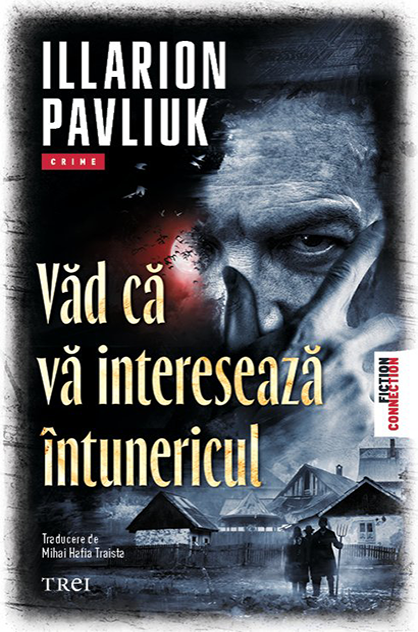
- Rating: ★★★☆☆
- Editura: Trei, imprint Fiction Connection / Crime
- Traducere: Mihai Hafia Traista
- Pagini: 576
- Goodreads: Văd că vă interesează întunericul
- Poate fi cumpărată de aici: https://www.edituratrei.ro/carte/vad-ca-va-intereseaza-intunericul/15233/
„Văd că vă interesează întunericul” de Illarion Pavliuk m-a atras mai ales datorită titlului, sinopsisului și copertei, care mi-au stârnit curiozitatea încă de la început. Povestea promitea un mister întunecat, o anchetă neobișnuită și o atmosferă apăsătoare, iar eu eram curioasă să descopăr în ce direcție avea să mă ducă autorul. În plus, aceasta este prima carte scrisă de un autor ucrainean pe care am citit-o, așa că am avut nevoie de puțin timp pentru a mă acomoda cu stilul său de scriere, cu felul în care își construiește povestea și cu modul în care alege să transmită anumite idei.
Acțiunea îl are în centru pe Andrii Haister, un psiholog criminalist din Kiev, care ajunge în Buskiv Sad, un sat izolat, aparent uitat de lume, pentru a investiga dispariția unei fetițe. Încă de la primele pagini, locul acesta mi-a dat o senzație neplăcută, ca și cum ceva ar fi profund greșit acolo, chiar dacă oamenii par să-și continue viețile fără să fie deranjați de ceea ce se întâmplă în jurul lor. Satul ascunde și prezența Fiarei, un ucigaș în serie despre ale cărui crime localnicii par să nu vrea să vorbească sau pe care aleg pur și simplu să nu le observe. În timp ce Andrii încearcă să afle ce s-a întâmplat cu fetița, descoperă că adevărul este mult mai greu de găsit decât și-ar fi imaginat.
Andrii este un personaj care mi-a trezit curiozitatea, mai ales prin felul în care se raportează la dispariția copilei. Într-un loc în care pare că nimănui nu-i pasă cu adevărat de soarta ei, el continuă să creadă că fata este încă în viață și că merită să fie găsită. Încăpățânarea lui de a merge mai departe, chiar și atunci când lucrurile nu se leagă, devine unul dintre punctele importante ale poveștii. Totuși, pe măsură ce ancheta avansează, am ajuns să mă întreb cât de mult mă pot baza pe ceea ce văd prin ochii lui și cât de bine reușește el însuși să înțeleagă realitatea din jurul său. Există momente în care perspectiva lui m-a făcut să mă îndoiesc de tot ce se întâmpla, iar această nesiguranță a contribuit atât la farmecul, cât și la dificultatea lecturii.
Un alt aspect care mi-a atras atenția a fost multitudinea de personaje stranii pe care Andrii le întâlnește în Buskiv Sad. Omul cu chipul pictat, Bărbatul în Roșu și călugărița sunt doar câteva dintre prezențele care dau poveștii o notă aproape ireală. Fiecare întâlnire adaugă un nou motiv de suspiciune și te face să te întrebi dacă oamenii aceștia ascund ceva, dacă sunt legați într-un fel de misterul satului sau dacă reprezintă mai degrabă o manifestare a unor lucruri pe care Andrii nu le poate înțelege. Mi-a plăcut că nu toate personajele sunt ușor de descifrat și că autorul nu oferă întotdeauna explicații imediate, deși, uneori, mi-aș fi dorit să existe ceva mai multă claritate.
Trebuie să recunosc că, deși am pornit la drum cu așteptări destul de mari, lectura nu a fost chiar ceea ce speram. Ideea de bază mi s-a părut interesantă, iar prezentarea cărții m-a convins că voi avea parte de un thriller misterios, cu o anchetă captivantă și personaje bine conturate. Cu toate acestea, pe măsură ce înaintam în poveste, am început să mă simt tot mai confuză. Au existat pasaje care mi-au plăcut și care m-au făcut să citesc cu interes, dorind să aflu ce urmează, dar și porțiuni în care aveam impresia că pierd firul acțiunii și că nu mai înțeleg exact ce se întâmplă. Uneori, mă întorceam cu gândul la anumite scene, încercând să-mi dau seama dacă îmi scăpase vreun detaliu sau dacă tocmai aceasta era intenția autorului.
Pe tot parcursul lecturii, am avut senzația că Illarion Pavliuk se joacă de-a v-ați ascunselea cu mintea mea. Îmi oferea câte un indiciu, mă lăsa să cred că am înțeles încotro se îndreaptă povestea, după care apărea un alt element care îmi dădea toate presupunerile peste cap. Cartea m-a ținut în suspans, însă nu întotdeauna în felul în care mi-aș fi dorit. Au fost momente în care eram nerăbdătoare să descopăr adevărul, dar și altele în care simțeam că sunt prea multe întrebări și prea puține răspunsuri clare. M-am surprins întrebându-mă dacă Andrii suferă de vreo tulburare psihică, dacă am înțeles corect un anumit pasaj sau dacă nu cumva capitolele sunt așezate într-o ordine care ascunde, la rândul ei, o explicație pentru misterul cărții. Tocmai acest șir de întrebări mi-a făcut lectura provocatoare, dar și destul de obositoare pe alocuri.
Cred că un lucru important de menționat este că „Văd că vă interesează întunericul” nu este un thriller clasic, în care un detectiv sau un psiholog criminalist urmează pașii unei anchete bine organizate, strânge probe, discută cu martori și ajunge treptat la identitatea criminalului. Deși povestea pornește de la o dispariție și include crime și o investigație, romanul se îndepărtează destul de mult de structura cu care suntem obișnuiți în acest gen. Autorul amestecă misterul polițist cu elemente supranaturale, simboluri religioase și trimiteri care mi-au amintit de Infernul lui Dante, de trecerea râului Styx, de purificarea prin foc și de ideea unei călătorii prin suferință și vinovăție. Toate acestea construiesc o poveste care nu se lasă încadrată cu ușurință într-o singură categorie.
Tocmai această combinație de elemente a fost, pentru mine, una dintre cele mai mari provocări. Am apreciat imaginația autorului și curajul de a construi o poveste atât de diferită, dar, în același timp, am simțit că uneori a adunat prea multe idei, simboluri și direcții într-un singur roman. Unele dintre ele mi s-au părut bine integrate și au contribuit la atmosfera apăsătoare, în timp ce altele mi-au dat impresia că încarcă inutil povestea. Mi-ar fi plăcut ca anumite momente să fie dezvoltate mai clar și ca unele explicații să vină într-un ritm care să-mi permită să înțeleg mai bine legăturile dintre personaje și evenimente. Nu spun că toate misterele trebuie explicate imediat, dar pentru mine a existat o diferență între incertitudinea care te face curios și confuzia care te îndepărtează puțin de poveste.
Cu toate acestea, nu pot să ignor atmosfera pe care Pavliuk reușește să o creeze. Buskiv Sad este un loc în care răul pare să fi devenit parte din viața de zi cu zi, iar indiferența oamenilor ajunge să fie la fel de tulburătoare precum crimele în sine. Mi s-a părut înfricoșător felul în care personajele par să se fi obișnuit cu suferința, cu secretele și cu lucrurile care ar trebui să le provoace revoltă. Satul devine aproape un personaj în sine, un spațiu sufocant, în care oamenii par prinși într-un cerc din care nu mai știu sau nu mai vor să iasă. Iar această imagine mi-a dat de gândit, pentru că uneori răul nu se manifestă doar prin fapte îngrozitoare, ci și prin tăcere, nepăsare și alegerea de a nu interveni atunci când ai putea face ceva.
Dincolo de misterul dispariției și de toate elementele stranii, am ajuns să văd cartea ca pe o poveste despre întunericul pe care îl purtăm fiecare în noi și despre felul în care acesta se poate răspândi în jurul nostru. Mi se pare că autorul vorbește despre vinovăție, despre greșelile pe care încercăm să le ascundem, despre dorința de a uita și despre prețul pe care îl plătim atunci când fugim de propriul trecut. Unele întâmplări și imagini capătă mai mult sens dacă privești romanul din această perspectivă, nu doar ca pe o încercare de a descoperi cine este vinovat pentru o crimă sau o dispariție. Simbolistica nu a fost întotdeauna ușor de urmărit, însă, dacă stai să analizezi anumite scene și acțiunile personajelor, începi să observi că multe dintre ele au un rol mai profund decât pare la prima vedere.
Per total, „Văd că vă interesează întunericul” a fost o lectură interesantă, dar nu una care să mă cucerească pe deplin, motiv pentru care îi ofer trei stele din cinci. Apreciez creativitatea lui Illarion Pavliuk, atmosfera construită și felul în care încearcă să combine genuri și simboluri diferite, însă experiența mea de lectură a fost marcată de prea multe momente de confuzie. Este o carte care mi-a testat răbdarea și m-a făcut să-mi pun întrebări aproape la fiecare pas, uneori într-un mod plăcut, alteori într-unul frustrant. Cred că poate fi o alegere foarte bună pentru cititorii care iubesc poveștile întunecate, neobișnuite, pline de simboluri și interpretări, dar și pentru cei care nu se tem să fie scoși din zona de confort. În schimb, dacă preferați thrillerele cu anchete clare, un ritm mai bine definit și răspunsuri concrete, s-ar putea să nu fie tocmai cartea potrivită. Mă bucur că am descoperit-o și că am avut ocazia să citesc ceva diferit, chiar dacă, în cazul meu, aprecierea pentru ideea și imaginația autorului nu s-a transformat într-o experiență de lectură pe măsura așteptărilor.

Dacă sunteți curioși să aflați și alte păreri, puteți vizita următoarele bloguri, unde au apărut sau vor apărea recenzii în zilele următoare: Analogii, Antologii; Anca și cărtile; Biblioteca lui Liviu; Cărțile mele și alți demoni; Ciobanul de azi; Citește-mi-l; Falled; Fata cu cartea; Literatura pe tocuri; Fantaliria.
Un proiect Crime Club:

I See You’re Interested in the Dark – Illarion Pavliuk
„I See You’re Interested in the Dark” by Illarion Pavliuk caught my attention mainly because of its title, synopsis, and cover, all of which sparked my curiosity from the very beginning. The story promised a dark mystery, an unusual investigation, and an unsettling atmosphere, and I was curious to see where the author would take me. This is also the first book by a Ukrainian author that I’ve read, so I needed a little time to get used to his writing style, the way he builds his story, and how he chooses to convey certain ideas.
The story follows Andrii Haister, a forensic psychologist from Kyiv who arrives in Buskiv Sad, an isolated village that seems forgotten by the rest of the world, to investigate the disappearance of a little girl. From the very first pages, there was something unsettling about this place, as if something were deeply wrong, even though the villagers seemed to go about their lives without being bothered by what was happening around them. The village is also home to the Beast, a serial killer whose crimes the locals seem unwilling to talk about or simply choose to ignore. As Andrii tries to find out what happened to the girl, he discovers that the truth is far more difficult to uncover than he could have imagined.
Andrii is a character who made me curious, especially because of the way he approaches the girl’s disappearance. In a place where it seems that no one truly cares about her fate, he continues to believe that she is still alive and deserves to be found. His determination to keep going, even when things don’t add up, becomes one of the key elements of the story. Still, as the investigation progresses, I found myself wondering how much I could trust what I was seeing through his eyes and how well he himself understood the reality around him. There were moments when his perspective made me question everything that was happening, and this uncertainty contributed both to the book’s appeal and to the difficulty of reading it.
Another aspect that caught my attention was the variety of strange characters Andrii encounters in Buskiv Sad. The Man with the Painted Face, the Man in Red, and the nun are just a few of the figures who give the story an almost surreal quality. Each encounter adds another reason to be suspicious and makes you wonder whether these people are hiding something, whether they are somehow connected to the village’s mystery, or whether they represent things Andrii simply cannot understand. I liked that not every character was easy to figure out and that the author didn’t always provide immediate explanations, although there were times when I wished things had been a little clearer.
I have to admit that, although I started the book with fairly high expectations, the reading experience wasn’t quite what I had hoped for. I found the premise interesting, and the book’s description had convinced me that I was in for a mysterious thriller with an engaging investigation and well-developed characters. However, as I made my way through the story, I began to feel increasingly confused. There were passages I enjoyed and that kept me interested, eager to find out what would happen next, but there were also sections where I felt like I was losing track of the plot and no longer fully understood what was going on. Sometimes, I found myself thinking back to certain scenes, trying to figure out whether I’d missed a detail or whether that was exactly what the author had intended.
Throughout the book, I felt as though Illarion Pavliuk was playing hide-and-seek with my mind. He would give me a clue, let me believe I had figured out where the story was heading, and then introduce another element that turned all my assumptions upside down. The book kept me in suspense, but not always in the way I would have liked. There were moments when I couldn’t wait to discover the truth, but also others when I felt there were too many questions and too few clear answers. I caught myself wondering whether Andrii was suffering from some kind of mental disorder, whether I’d understood a particular passage correctly, or whether the chapters might have been arranged in a way that concealed an explanation for the book’s mystery. This constant stream of questions made the reading experience challenging, but also quite exhausting at times.
I think it’s important to mention that „I See You’re Interested in the Dark” isn’t a classic thriller in which a detective or forensic psychologist follows a well-organized investigation, gathers evidence, interviews witnesses, and gradually uncovers the killer’s identity. Although the story begins with a disappearance and includes murders and an investigation, the novel moves quite far away from the structure we’re used to in this genre. The author blends crime mystery with supernatural elements, religious symbolism, and references that reminded me of Dante’s Inferno, the crossing of the River Styx, purification through fire, and the idea of a journey through suffering and guilt. All these elements come together to create a story that doesn’t fit neatly into a single category.
This combination of elements was one of the biggest challenges for me. I appreciated the author’s imagination and his willingness to create such an unconventional story, but at the same time, I felt that he sometimes tried to fit too many ideas, symbols, and narrative threads into a single novel. Some of them felt well integrated and contributed to the oppressive atmosphere, while others gave me the impression that they unnecessarily weighed the story down. I would have liked certain moments to be explored in greater detail and some explanations to come at a pace that would have allowed me to better understand the connections between the characters and events. I’m not saying that every mystery needs to be explained right away, but for me, there was a difference between uncertainty that makes you curious and confusion that makes you feel a little disconnected from the story.
Even so, I can’t ignore the atmosphere Pavliuk manages to create. Buskiv Sad is a place where evil seems to have become part of everyday life, and the villagers’ indifference becomes just as disturbing as the crimes themselves. I found it unsettling how the characters seem to have grown accustomed to suffering, secrets, and things that should provoke outrage. The village almost becomes a character in its own right, a suffocating place where people seem trapped in a cycle they no longer know how to escape or simply no longer want to leave. This image gave me a lot to think about because sometimes evil isn’t expressed only through horrific acts, but also through silence, indifference, and the choice not to intervene when you could do something.
Beyond the mystery of the disappearance and all the strange elements, I came to see the book as a story about the darkness we each carry within us and how it can spread to those around us. I feel that the author explores guilt, the mistakes we try to hide, the desire to forget, and the price we pay when we run away from our own past. Some events and images make more sense when you look at the novel from this perspective, rather than seeing it simply as an attempt to discover who is responsible for a crime or a disappearance. The symbolism wasn’t always easy to follow, but when you take the time to analyze certain scenes and the characters’ actions, you begin to notice that many of them serve a deeper purpose than it might seem at first.
Overall, „I See You’re Interested in the Dark” was an interesting read, but not one that completely won me over, which is why I’m giving it three out of five stars. I appreciate Illarion Pavliuk’s creativity, the atmosphere he creates, and the way he attempts to combine different genres and symbols, but my reading experience was marked by too many moments of confusion. This is a book that tested my patience and made me question things at almost every turn, sometimes in an enjoyable way and other times in a frustrating one. I think it could be a great choice for readers who enjoy dark, unusual stories filled with symbolism and room for interpretation, as well as for those who aren’t afraid to step outside their comfort zone. However, if you prefer thrillers with clear investigations, a more defined pace, and concrete answers, this might not be the right book for you. I’m glad I discovered it and had the chance to read something different, even if, in my case, my appreciation for the author’s ideas and imagination didn’t quite translate into a reading experience that lived up to my expectations.
