
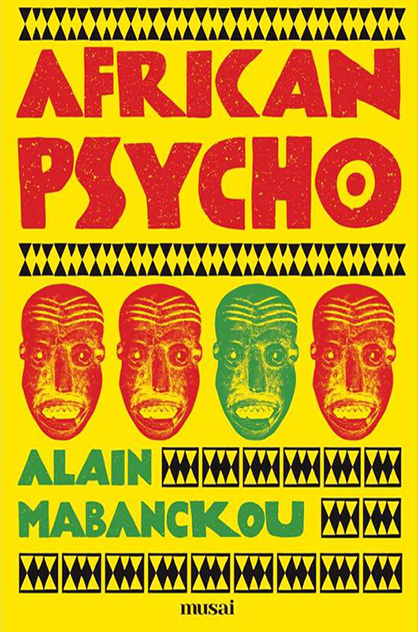
- Rating: ★★★☆☆
- Editura: Art, imprint musai
- Traducere: Irinel Antoniu
- Pagini: 200
- Goodreads: African Psycho
- Poate fi cumpărată de aici: https://www.editura-art.ro/info/carte/african-psycho-musai
„African Psycho” de Alain Mabanckou este o carte care mi-a atras atenția încă de la început prin premisa sa neobișnuită. Povestea unui bărbat care visează să devină un criminal cunoscut și care își planifică atent propriile crime mi s-a părut suficient de intrigantă încât să îmi doresc să aflu mai multe. Nu este genul de carte în care urmărim un detectiv care încearcă să descopere identitatea unui criminal sau o anchetă plină de indicii și răsturnări de situație. Din contră, aici ajungem direct în mintea celui care își dorește să comită crimele și avem ocazia să îi cunoaștem gândurile, frustrările, obsesiile și toate planurile. Romanul lui Alain Mabanckou oferă o perspectivă destul de diferită asupra unui personaj negativ, iar acesta a fost, pentru mine, unul dintre cele mai interesante aspecte ale lecturii.
Personajul principal este Grégoire Nakobomayo, un bărbat care își dorește cu orice preț să devină un criminal respectat și temut. Nu este mulțumit cu ideea de a fi un om obișnuit, pe care ceilalți îl ignoră, ci visează să ajungă cineva despre care lumea să vorbească. În mintea lui, faima poate veni și prin intermediul unor fapte îngrozitoare, iar el este convins că poate ajunge un ucigaș desăvârșit dacă își planifică suficient de bine acțiunile. Totuși, între imaginea pe care și-o construiește despre sine și ceea ce reușește cu adevărat să facă există o diferență destul de mare. Grégoire se ia foarte în serios, își analizează fiecare mișcare și încearcă să anticipeze tot felul de situații, însă tocmai această tendință de a complica lucrurile îl face uneori să pară ridicol. Este un personaj care își dorește să fie perceput drept un om periculos și inteligent, dar care ajunge adesea să fie mai degrabă caraghios decât impresionant.
Unul dintre lucrurile care mi-au atras atenția la Grégoire este felul în care își construiește propria identitate. El nu pare să își dorească doar să ucidă, ci și să devină un anumit tip de persoană, după un model pe care și l-a format în minte. Își dorește să fie un criminal important, iar această nevoie de recunoaștere spune multe despre felul în care se raportează la lumea din jurul său. În spatele planurilor sale se ascund frustrări, nesiguranțe și o serie de idei pe care le consideră adevăruri incontestabile. În loc să își pună la îndoială gândirea, el găsește mereu explicații pentru comportamentul său și încearcă să își justifice intențiile. Tocmai de aceea, mi s-a părut interesant să observ cum își interpretează propriile acțiuni și cum reușește să își construiască o imagine în care el este personajul principal al unei povești extraordinare, chiar dacă realitatea nu îi confirmă întotdeauna această impresie.
Acțiunea romanului se concentrează în mare parte pe planurile lui Grégoire și pe felul în care acesta încearcă să își transforme fanteziile în realitate. El se gândește la mai multe crime care l-ar putea ajuta să obțină notorietatea pe care și-o dorește, însă cea mai importantă obsesie a sa devine uciderea propriei iubite, Germaine. Relația dintre cei doi ocupă un loc important în poveste, deoarece Grégoire începe să privească această posibilă crimă ca pe un proiect pe care trebuie să îl pregătească atent. Nu este vorba doar despre o idee care îi trece prin minte, ci despre ceva la care revine constant, analizând diferite posibilități și încercând să găsească o modalitate prin care să își ducă planul la capăt. Mi s-a părut tulburător să văd cum o intenție atât de gravă ajunge să fie tratată de personaj aproape ca o sarcină obișnuită, care necesită organizare, răbdare și multă gândire.
Germaine este importantă mai ales prin locul pe care îl ocupă în obsesia lui Grégoire și prin faptul că relația lor devine centrul unuia dintre cele mai întunecate planuri ale sale. În loc să descopere alături de ea o relație bazată pe apropiere și încredere, cititorul ajunge să vadă cât de mult este influențată această relație de gândurile și intențiile lui. Din păcate, personajul ei nu beneficiază de aceeași profunzime interioară ca protagonistul, deoarece povestea este construită aproape în întregime în jurul perspectivei acestuia. Așadar, ajungem să aflăm mult mai multe despre felul în care Grégoire o privește și o interpretează decât despre cine este ea cu adevărat. Acest lucru are sens în contextul alegerii narative a autorului, dar mi-ar fi plăcut să descopăr și mai multe despre celelalte personaje, dincolo de modul în care sunt percepute de protagonist.
De altfel, cred că aceasta este prima carte de acest gen pe care o citesc în care avem parte aproape exclusiv de perspectiva personajului negativ. De obicei, în poveștile despre crime, atenția este împărțită între cel care comite faptele, cei care încearcă să le oprească și victimele implicate. Aici, însă, nu avem parte de o perspectivă exterioară care să ne ajute să îl judecăm pe Grégoire sau să ne explice de ce acțiunile sale sunt greșite. Suntem nevoiți să îl ascultăm pe el, să îi urmărim logica și să descoperim lumea așa cum o vede. Mi s-a părut o experiență interesantă, pentru că m-a făcut să fiu mai atentă la felul în care un om își poate justifica propriile gânduri și poate ajunge să creadă că are dreptate, chiar și atunci când intențiile sale sunt de neînțeles pentru ceilalți. În același timp, această perspectivă limitată poate deveni obositoare, mai ales atunci când simți nevoia să ieși puțin din mintea protagonistului și să privești evenimentele dintr-un alt unghi.
Mi-a plăcut în special faptul că am avut ocazia să intru atât de mult în mintea personajului principal. Am fost curioasă să aflu cum gândește, ce îl motivează, cum își pregătește acțiunile și ce explicații își oferă pentru propriul comportament. De multe ori, m-am surprins urmărind nu atât ceea ce se întâmplă efectiv în poveste, cât felul în care Grégoire ajunge de la o idee la alta. Modul în care analizează situațiile și își construiește planurile oferă o perspectivă interesantă asupra personalității sale. În același timp, această apropiere de protagonist nu înseamnă că am ajuns să îl simpatizez sau să îi înțeleg pe deplin alegerile. Mai degrabă, am simțit că îl cunosc suficient de bine încât să îi observ contradicțiile, nesiguranțele și felul în care își deformează realitatea pentru a se potrivi cu imaginea pe care și-a creat-o despre sine.
Un alt aspect care mi s-a părut interesant este felul în care Alain Mabanckou combină subiectul întunecat cu umorul și ironia. Deși vorbim despre un personaj care își dorește să devină un criminal și care se gândește la fapte extrem de grave, povestea nu este permanent apăsătoare. Dimpotrivă, unele dintre gândurile și reacțiile lui Grégoire ajung să fie amuzante tocmai pentru că el tratează totul cu o seriozitate exagerată. Tendința sa de a analiza fiecare detaliu și de a transforma orice situație într-o problemă complicată creează un contrast între gravitatea intențiilor sale și felul în care se comportă. Umorul nu face ca subiectul să devină mai puțin tulburător, ci scoate în evidență absurditatea personajului și a felului său de a privi lumea. Mi s-a părut o alegere interesantă din partea autorului, chiar dacă nu toate momentele comice au avut același efect asupra mea.
Dincolo de povestea personală a lui Grégoire, romanul lasă loc și unor observații despre societate, despre marginalizare și despre nevoia oamenilor de a fi văzuți și recunoscuți. Dorința protagonistului de a deveni celebru, chiar și prin intermediul unor fapte îngrozitoare, poate fi privită și ca o reacție la sentimentul că nu contează suficient în lumea în care trăiește. Totuși, cartea nu încearcă să ofere o explicație simplă pentru comportamentul său și nici să îl transforme într-o victimă pe care cititorul ar trebui să o compătimească. Mai degrabă, ne arată un personaj care își construiește propriile justificări și care se pierde tot mai mult în propriile obsesii. Mi se pare că aici se află unul dintre punctele forte ale romanului: autorul reușește să creeze un personaj greu de simpatizat, dar suficient de complex încât să îți stârnească interesul.
În ceea ce privește stilul, cartea mi s-a părut destul de diferită de un thriller obișnuit. Nu este un roman în care acțiunea avansează constant, cu multe evenimente spectaculoase și surprize la fiecare capitol. O mare parte din poveste se desfășoară în mintea lui Grégoire, iar ritmul este influențat de felul în care acesta își dezvoltă ideile și revine asupra acelorași preocupări. Limbajul are un caracter direct și uneori colocvial, iar narațiunea urmărește îndeaproape felul de a gândi al protagonistului. Acest lucru ajută la crearea unei voci distincte, dar poate face și ca lectura să pară repetitivă în anumite momente. Pentru mine, au existat pasaje în care am fost captivată de perspectiva personajului, dar și momente în care mi-aș fi dorit ca povestea să înainteze mai repede.
Per total, „African Psycho” a fost o lectură interesantă, mai ales datorită ideii de la care pornește și a modului în care este construit personajul principal. M-a atras posibilitatea de a descoperi povestea din perspectiva unui om care își dorește să devină criminal și care își tratează propriile intenții ca pe un obiectiv pe care trebuie să îl atingă. Mi-a plăcut să îi urmăresc gândurile și să încerc să înțeleg mecanismele prin care își justifică acțiunile, iar perspectiva exclusivă a personajului negativ a fost, pentru mine, o experiență narativă aparte. În același timp, nu pot spune că am fost captivată de roman pe tot parcursul său. Repetițiile, ritmul uneori lent și faptul că celelalte personaje rămân destul de mult în umbra protagonistului m-au împiedicat să mă atașez cu adevărat de poveste.
Îi acord trei stele din cinci pentru că apreciez originalitatea ideii și curajul autorului de a construi o poveste în jurul unui personaj atât de neobișnuit, dar lectura nu a fost una care să mă cucerească pe deplin. Cred că este o carte potrivită pentru cei care vor să încerce ceva diferit, care sunt curioși să exploreze psihologia unui personaj negativ și care nu se așteaptă neapărat la un thriller plin de acțiune. Pentru mine, „African Psycho” a fost mai degrabă un exercițiu de explorare a unei minți tulburate decât o poveste de care să mă simt complet prinsă. Mă bucur că am citit-o, pentru că mi-a oferit o perspectivă diferită față de ceea ce întâlnesc de obicei în cărți, însă, la final, am rămas cu sentimentul că ideea mi-a plăcut mai mult decât experiența lecturii în sine.


African Psycho – Alain Mabanckou
„African Psycho” by Alain Mabanckou is a book that caught my attention from the very beginning because of its unusual premise. The story of a man who dreams of becoming a notorious criminal and carefully plans his own murders seemed intriguing enough to make me want to find out more. This is not the kind of book in which we follow a detective trying to uncover a criminal’s identity or an investigation filled with clues and plot twists. On the contrary, here we are taken straight into the mind of someone who wants to commit these crimes, and we get the chance to discover his thoughts, frustrations, obsessions, and plans. Alain Mabanckou’s novel offers a rather different perspective on a villain, and this was one of the most interesting aspects of the reading experience for me.
The main character is Grégoire Nakobomayo, a man who wants to become a respected and feared criminal at any cost. He is not satisfied with the idea of being an ordinary person whom everyone ignores; instead, he dreams of becoming someone people talk about. In his mind, fame can also come from committing horrific acts, and he is convinced that he can become a perfect murderer if he plans his actions carefully enough. However, there is quite a significant difference between the image he has created of himself and what he actually manages to accomplish. Grégoire takes himself very seriously, analyses every move he makes, and tries to anticipate all sorts of situations, but it is precisely this tendency to overcomplicate things that sometimes makes him seem ridiculous. He is a character who wants to be perceived as dangerous and intelligent, yet he often ends up being more comical than impressive.
One of the things that caught my attention about Grégoire is the way he constructs his own identity. He does not seem to want merely to kill; he also wants to become a particular kind of person, based on an ideal he has created in his mind. He wants to be an important criminal, and this need for recognition says a lot about how he relates to the world around him. Behind his plans lie frustrations, insecurities, and a series of ideas that he considers unquestionable truths. Rather than questioning his own thinking, he constantly finds explanations for his behaviour and tries to justify his intentions. For this reason, I found it interesting to observe how he interprets his own actions and how he manages to create an image of himself as the main character in an extraordinary story, even when reality does not always support this impression.
The plot focuses largely on Grégoire’s plans and the ways in which he tries to turn his fantasies into reality. He considers several murders that could help him achieve the notoriety he desires, but his greatest obsession eventually becomes killing his own girlfriend, Germaine. The relationship between the two plays an important role in the story because Grégoire begins to view this potential murder as a project that needs to be carefully prepared. It is not simply an idea that crosses his mind, but something he constantly returns to, analysing different possibilities and trying to find a way to carry out his plan. I found it disturbing to see how such a serious intention comes to be treated by the character almost like an ordinary task that requires organisation, patience, and a great deal of thought.
Germaine is important mainly because of the role she plays in Grégoire’s obsession and because their relationship becomes the centre of one of his darkest plans. Rather than discovering a relationship based on closeness and trust, the reader comes to see how deeply their relationship is influenced by his thoughts and intentions. Unfortunately, her character does not receive the same level of psychological depth as the protagonist, since the story is built almost entirely around his perspective. As a result, we learn much more about how Grégoire sees and interprets her than about who she really is. This makes sense given the author’s narrative choice, but I would have liked to discover more about the other characters beyond the way they are perceived by the protagonist.
In fact, I think this is the first book of its kind that I have read in which we are given almost exclusively the perspective of the villain. Usually, in crime stories, the focus is divided between the person committing the crimes, those trying to stop them, and the victims involved. Here, however, we do not have an outside perspective to help us judge Grégoire or explain why his actions are wrong. We are forced to listen to him, follow his logic, and discover the world as he sees it. I found this an interesting experience because it made me pay closer attention to how a person can justify their own thoughts and come to believe that they are right, even when their intentions are incomprehensible to everyone else. At the same time, this limited perspective can become exhausting, especially when you feel the need to step outside the protagonist’s mind for a while and look at events from a different angle.
What I particularly enjoyed was the opportunity to get so deeply into the main character’s mind. I was curious to discover how he thinks, what motivates him, how he prepares his actions, and what explanations he gives himself for his own behaviour. I often found myself paying less attention to what was actually happening in the story and more to the way Grégoire moved from one idea to another. The way he analyses situations and develops his plans offers an interesting insight into his personality. At the same time, getting this close to the protagonist does not mean that I came to sympathise with him or fully understand his choices. Rather, I felt that I knew him well enough to recognise his contradictions, insecurities, and the ways in which he distorts reality to fit the image he has created of himself.
Another aspect I found interesting is the way Alain Mabanckou combines a dark subject with humour and irony. Although we are dealing with a character who wants to become a criminal and contemplates extremely serious acts, the story is not relentlessly bleak. On the contrary, some of Grégoire’s thoughts and reactions become amusing precisely because he approaches everything with exaggerated seriousness. His tendency to analyse every detail and turn every situation into a complicated problem creates a contrast between the gravity of his intentions and the way he behaves. The humour does not make the subject any less disturbing; instead, it highlights the absurdity of the character and the way he views the world. I found this an interesting choice on the author’s part, even though not every humorous moment had the same effect on me.
Beyond Grégoire’s personal story, the novel also leaves room for observations about society, marginalisation, and people’s need to be seen and recognised. The protagonist’s desire to become famous, even through horrific acts, can also be viewed as a reaction to his feeling that he does not matter enough in the world he lives in. Nevertheless, the book does not attempt to offer a simple explanation for his behaviour, nor does it turn him into a victim whom the reader is expected to pity. Instead, it presents a character who creates his own justifications and becomes increasingly lost in his obsessions. I think this is one of the novel’s greatest strengths: the author manages to create a character who is difficult to sympathise with but complex enough to hold your interest.
As for the writing style, I found the book quite different from a typical thriller. It is not a novel in which the action moves forward constantly, with numerous dramatic events and surprises in every chapter. Much of the story unfolds inside Grégoire’s mind, and the pacing is shaped by the way he develops his ideas and returns to the same concerns. The language is direct and sometimes colloquial, while the narration closely follows the protagonist’s way of thinking. This helps create a distinctive narrative voice, but it can also make the reading experience feel repetitive at times. For me, there were passages in which I was captivated by the character’s perspective, as well as moments when I wished the story would move forward more quickly.
Overall, „African Psycho” was an interesting read, particularly because of its original premise and the way the main character is developed. I was drawn to the opportunity to discover a story from the perspective of a man who wants to become a criminal and treats his own intentions as a goal he must achieve. I enjoyed following his thoughts and trying to understand the mechanisms through which he justifies his actions, and the exclusive focus on the villain’s perspective made for a distinctive narrative experience. At the same time, I cannot say that I was captivated by the novel throughout. The repetition, the occasionally slow pacing, and the fact that the other characters remain largely in the protagonist’s shadow prevented me from becoming truly invested in the story.
I give it three out of five stars because I appreciate the originality of the premise and the author’s willingness to build a story around such an unusual character, but the reading experience did not completely win me over. I think this is a suitable book for readers who want to try something different, are curious to explore the psychology of a villain, and are not necessarily expecting an action-packed thriller. For me, „African Psycho” was more of an exploration of a disturbed mind than a story that completely drew me in. I am glad I read it because it offered me a perspective different from what I usually encounter in books. However, by the end, I was left with the feeling that I liked the idea more than the reading experience itself.
