
- Rating: ★★★☆☆
- Editura: Niculescu, imprint Fiction / Noir
- Traducere: Claudiu-Eduard Brăileanu
- Pagini: 304
- Goodreads: Cei înviați
- Poate fi cumpărată de aici: https://www.niculescu.ro/cei-inviati.html
După ce am citit „Cei treziți” de Éric Giacometti, eram foarte curioasă să descopăr și cealaltă jumătate a acestui duo de autori de thrillere, atât de apreciați de cititori. De data aceasta, a venit rândul lui Jacques Ravenne, cu romanul „Cei înviați”, o carte care mi-a atras atenția prin subiectul său neobișnuit și prin promisiunea unei povești pline de mistere, conspirații și evenimente întunecate. Aveam așteptări destul de mari și eram nerăbdătoare să văd cum se prezintă povestea în stilul celuilalt autor. Din păcate, deși începutul mi s-a părut promițător, experiența mea de lectură nu a fost chiar cea la care mă așteptam.
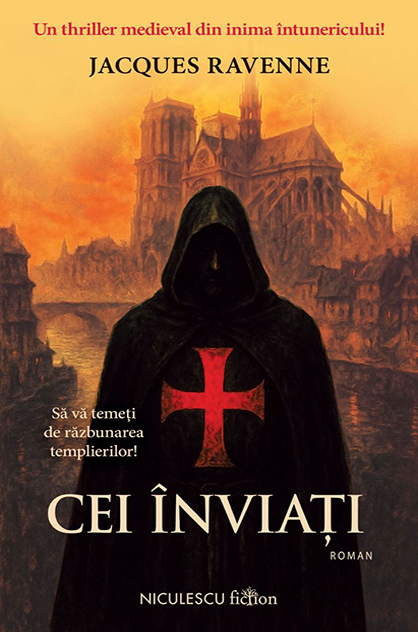
Acțiunea ne poartă în aprilie 1309, la Paris, într-o perioadă tulbure, în care templierii sunt urmăriți, arestați și supuși unor torturi cumplite. În închisoarea Châtelet, strigătele celor chinuiți răsună printre ziduri, însă lucrurile devin și mai neliniștitoare atunci când apare posibilitatea ca morții să se întoarcă la viață cu ajutorul unei ciuperci cu proprietăți neobișnuite. Ideea mi s-a părut interesantă tocmai prin felul în care îmbină elemente istorice cu misterul, supranaturalul și atmosfera întunecată a epocii medievale. Nu este chiar genul de subiect pe care îl întâlnești în fiecare thriller istoric, iar această combinație m-a făcut să vreau să aflu mai multe despre ceea ce se ascunde în spatele acestor evenimente.
În centrul poveștii se află Guillaume de Nogaret, consilierul regelui Philippe cel Frumos. Este un om puternic, rece și lipsit de scrupule, hotărât să-i găsească pe templierii care nu au fost încă prinși. Într-o perioadă în care puterea și interesele politice se amestecă într-un mod periculos, Guillaume nu pare dispus să lase nimic să-i stea în cale. Pentru a-și duce la îndeplinire misiunea, acesta se bazează pe ajutorul a două personaje destul de neobișnuite: un fost cruciat care a ajuns să fie asasin și o călugăriță renegată. Cei doi ies în evidență prin trecutul lor și prin rolul pe care îl au în această urmărire, iar prezența lor adaugă poveștii un plus de mister și imprevizibilitate.
Pe măsură ce acțiunea avansează, cei trei ajung să urmărească firele unei conspirații care amenință nu doar liniștea regatului, ci și însăși monarhia. Templierii rămași în libertate par să aibă planuri mult mai mari decât simpla lor supraviețuire, iar scopul lor este răsturnarea puterii regelui. În jurul acestei lupte se adună secrete, interese ascunse, alianțe neașteptate și situații tot mai periculoase. Personajele sunt nevoite să se descurce într-o lume în care nu este întotdeauna ușor să-ți dai seama cine spune adevărul și cine urmărește, de fapt, propriile interese. Toate aceste elemente ar fi putut să formeze o poveste extrem de captivantă, mai ales că autorul pornește de la un context istoric interesant și îl combină cu o intrigă neobișnuită.
Cu toate acestea, pe parcursul lecturii, am simțit că îmi pierd treptat interesul pentru poveste. La început am fost atrasă de idee și am vrut să văd în ce direcție vor evolua lucrurile, însă, pe măsură ce acțiunea se complica, mi-a devenit din ce în ce mai greu să țin pasul cu tot ceea ce se întâmpla. Apar multe personaje, numeroase locuri și mai multe fire narative care se intersectează, iar uneori am avut impresia că se întâmplă prea multe lucruri într-un timp prea scurt. În loc să mă simt prinsă în poveste și să vreau să descopăr fiecare detaliu, m-am trezit uneori încercând să-mi amintesc cine este fiecare personaj, ce rol are și cum se leagă toate evenimentele între ele. Pentru mine, această aglomerare de informații a făcut ca lectura să fie mai obositoare decât mi-aș fi dorit.
Nici personajele nu au reușit să mă cucerească pe deplin. Autorul ne oferă destul de multe informații despre trecutul lor, despre motivațiile pe care le au și despre lucrurile care i-au adus în situațiile în care se află. Pe măsură ce povestea înaintează, aflăm tot mai multe despre ei și înțelegem mai bine contextul în care acționează. Cu toate acestea, am simțit că toate aceste detalii nu au fost suficiente pentru a mă apropia cu adevărat de personaje. Mi-a fost greu să mă atașez de ele, să le înțeleg pe deplin alegerile sau să simt că am un motiv real pentru care să-mi pese de ceea ce li se întâmplă. Chiar și atunci când se aflau în situații dificile sau periculoase, nu am simțit întotdeauna implicarea emoțională pe care mi-aș fi dorit-o. Am putut să urmăresc ceea ce făceau, dar nu am reușit să mă conectez cu ele așa cum speram.
Un alt aspect care mi-a influențat experiența de lectură a fost felul în care sunt prezentate anumite scene. Cartea are momente destul de dure, mai ales în ceea ce privește torturile, violența și imaginile macabre. Înțeleg că aceste elemente se potrivesc atmosferei întunecate a poveștii și perioadei istorice în care se desfășoară acțiunea, însă unele descrieri mi s-au părut pur și simplu scârboase. Au existat scene pe care le-am citit cu destul de mult disconfort și care mi-au lăsat o impresie neplăcută. Nu mă deranjează neapărat ca un thriller să fie dur sau să includă momente șocante, mai ales atunci când acestea au un rol important în poveste, dar aici au fost câteva situații care mi s-au părut prea mult și care nu m-au ajutat să mă bucur de lectură.
Totuși, chiar dacă am avut toate aceste nemulțumiri, povestea a reușit să-mi păstreze suficient de mult curiozitatea încât să continui lectura. Chiar și atunci când simțeam că mă pierd printre personaje și evenimente, voiam să aflu unde vor duce toate aceste conspirații și cum se vor rezolva conflictele. Ideea de la care pornește romanul mi s-a părut suficient de interesantă pentru a mă face să merg mai departe, iar dorința de a descoperi deznodământul a fost principalul motiv pentru care nu am abandonat cartea. Am vrut să văd dacă toate firele narative se vor lega într-un final și dacă misterele prezentate la început își vor găsi explicația.
Per total, „Cei înviați” a fost o lectură cu bune și cu rele pentru mine. Apreciez ideea originală, combinația dintre contextul istoric, conspirațiile politice și elementele neobișnuite, precum și atmosfera întunecată pe care autorul încearcă să o construiască. În același timp, am simțit că povestea devine pe alocuri prea încărcată, că personajele nu au reușit să mă apropie de ele și că unele scene au fost mult prea neplăcute pentru gustul meu. Mi-ar fi plăcut ca acțiunea să fie puțin mai ușor de urmărit și ca personajele să fie construite într-un mod care să mă ajute să le înțeleg mai bine și să mă implic emoțional în povestea lor.
Mă bucur totuși că am avut ocazia să descopăr și o carte scrisă de Jacques Ravenne, după experiența cu „Cei treziți” de Éric Giacometti. Curiozitatea de a cunoaște și stilul celuilalt autor a fost unul dintre motivele pentru care am ales această lectură, iar acum pot spune că mi-am făcut o idee mai clară despre ceea ce oferă romanul. Din păcate, nu a fost o carte care să mă impresioneze atât de mult pe cât speram, însă nici nu pot spune că nu mi-a oferit nimic interesant. A avut suficiente elemente care să mă țină curioasă până la final, chiar dacă drumul până acolo nu a fost întotdeauna unul ușor.
Este carte cu o idee interesantă și o intrigă plină de mistere, dar care, pentru mine, a pierdut din farmec pe parcurs din cauza numărului mare de personaje, a acțiunii aglomerate și a dificultății de a mă conecta cu protagoniștii. O lectură potrivită pentru cei care apreciază thrillerele istorice întunecate, cu multe conspirații și scene dure, dar care, din păcate, nu a reușit să mă cucerească pe deplin.


The Resurrected – Jacques Ravenne
After reading „The Awakened” by Éric Giacometti, I was very curious to discover the other half of this thriller-writing duo, so highly regarded by readers. This time, it was Jacques Ravenne’s turn, with his novel „The Resurrected”, a book that caught my attention because of its unusual premise and its promise of a story filled with mysteries, conspiracies, and dark events. My expectations were fairly high, and I was eager to see how the story would unfold in the other author’s style. Unfortunately, although I found the beginning promising, my reading experience did not quite live up to my expectations.
The story takes us to Paris in April 1309, during a turbulent period when the Knights Templar are being hunted down, arrested, and subjected to horrific torture. Inside the Châtelet prison, the screams of the tortured echo through the walls, but things become even more unsettling when the possibility arises that the dead can be brought back to life with the help of a mushroom possessing unusual properties. I found the idea interesting precisely because of the way it combines historical elements with mystery, the supernatural, and the dark atmosphere of the medieval period. It is not exactly the kind of premise you come across in every historical thriller, and this combination made me want to learn more about what lay behind these events.
At the heart of the story is Guillaume de Nogaret, an adviser to King Philip the Fair. He is a powerful, cold, and unscrupulous man, determined to track down the Templars who have not yet been captured. In a time when power and political interests intertwine in dangerous ways, Guillaume seems unwilling to let anything stand in his way. To accomplish his mission, he relies on the help of two rather unusual characters: a former crusader who has become an assassin and a renegade nun. Both stand out because of their pasts and the roles they play in this pursuit, and their presence adds another layer of mystery and unpredictability to the story.
As the plot progresses, the three begin to uncover the threads of a conspiracy that threatens not only the peace of the kingdom but the monarchy itself. The remaining Templars seem to have much greater ambitions than simply surviving, and their goal is to overthrow the king’s rule. Secrets, hidden agendas, unexpected alliances, and increasingly dangerous situations all become part of this struggle. The characters must find their way through a world where it is not always easy to tell who is telling the truth and who is really pursuing their own interests. All these elements could have come together to create an extremely captivating story, especially since the author starts with an interesting historical setting and combines it with an unusual plot.
However, as I continued reading, I felt my interest in the story gradually fading. At first, I was drawn in by the premise and wanted to see how things would unfold, but as the plot became more complicated, it grew increasingly difficult for me to keep up with everything that was happening. There are numerous characters, many different locations, and several intersecting storylines, and at times, I felt that too much was happening in too short a time. Instead of feeling immersed in the story and eager to discover every detail, I sometimes found myself trying to remember who each character was, what their role was, and how all the events connected. For me, this overwhelming amount of information made the reading experience more exhausting than I would have liked.
The characters did not manage to win me over completely, either. The author provides quite a lot of information about their pasts, their motivations, and the circumstances that brought them into the situations they find themselves in. As the story progresses, we learn more about them and gain a better understanding of the context in which they operate. Nevertheless, I felt that all these details were not enough to make me genuinely connect with the characters. I found it difficult to become attached to them, fully understand their choices, or feel that I had a real reason to care about what happened to them. Even when they found themselves in difficult or dangerous situations, I did not always feel the emotional involvement I would have liked. I could follow their actions, but I was unable to connect with them as deeply as I had hoped.
Another aspect that affected my reading experience was the way certain scenes were described. The book contains some quite disturbing moments, particularly when it comes to torture, violence, and gruesome imagery. I understand that these elements fit the story’s dark atmosphere and the historical period in which it takes place, but some of the descriptions simply struck me as disgusting. There were scenes I read with considerable discomfort, and they left me with an unpleasant impression. I do not necessarily mind a thriller being brutal or including shocking moments, especially when they serve an important purpose in the story, but there were a few instances here that felt like too much and made it harder for me to enjoy the book.
Still, despite all these reservations, the story managed to hold on to enough of my curiosity to keep me reading. Even when I felt lost among the characters and events, I wanted to find out where all these conspiracies would lead and how the conflicts would be resolved. The premise behind the novel struck me as interesting enough to encourage me to keep going, and my desire to discover the ending was the main reason I did not abandon the book. I wanted to see whether all the storylines would eventually come together and whether the mysteries introduced at the beginning would be explained.
Overall, „The Resurrected” was a mixed reading experience for me. I appreciate the original premise, the combination of historical context, political conspiracies, and unusual elements, as well as the dark atmosphere the author attempts to create. At the same time, I felt that the story occasionally became too convoluted, that I never truly connected with the characters, and that some scenes were far too unpleasant for my taste. I would have preferred the plot to be a little easier to follow and the characters to be developed in a way that would help me understand them better and become more emotionally invested in their stories.
Nevertheless, I am glad I had the opportunity to discover a book by Jacques Ravenne after reading „The Awakened” by Éric Giacometti. My curiosity about the other author’s style was one of the reasons I chose this book, and now I can say that I have a clearer idea of what the novel has to offer. Unfortunately, it was not a book that impressed me as much as I had hoped, but I cannot say that it offered me nothing interesting, either. It had enough elements to keep me curious until the very end, even if the journey there was not always an easy one.
This is a book with an interesting premise and a plot full of mysteries, but one that, for me, gradually lost some of its appeal because of the large cast of characters, the overcrowded storyline, and the difficulty I had connecting with the protagonists. It may be a suitable read for those who enjoy dark historical thrillers filled with conspiracies and brutal scenes, but unfortunately, it did not manage to win me over completely.
