
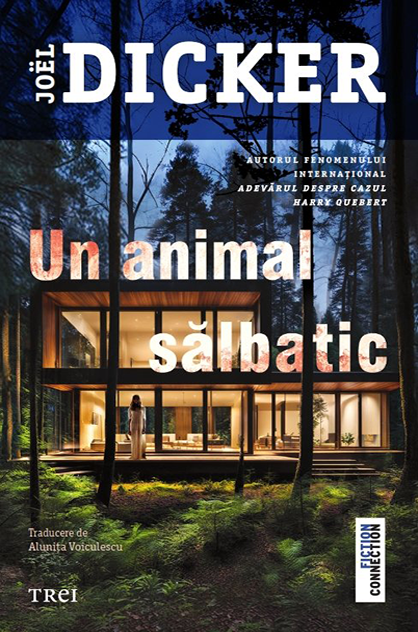
- Rating: ★★★★★
- Editura: Trei, imprint Fiction Connection
- Traducere: Alunița Voiculescu
- Pagini: 416
- Goodreads: Un animal sălbatic
- Poate fi cumpărată de aici: https://www.edituratrei.ro/carte/un-animal-salbatic/13610/
„Un animal sălbatic” este o carte care mi-a plăcut foarte mult și care mi-a confirmat încă o dată de ce Joël Dicker se numără printre autorii mei preferați atunci când vine vorba despre thrillere psihologice. Îmi place felul în care își construiește poveștile, modul în care introduce treptat informații importante și felul în care reușește să păstreze misterul până când toate piesele încep să se lege. Nici de această dată nu m-a dezamăgit, iar povestea m-a făcut să fiu tot mai curioasă pe măsură ce înaintam cu lectura. Deși acțiunea nu este foarte alertă, cartea are un ritm care mi s-a potrivit, deoarece îmi oferă suficient timp să analizez indiciile, să urmăresc comportamentul personajelor și să încerc să înțeleg ce se ascunde în spatele evenimentelor.
Acțiunea începe în iulie 2022, când doi infractori pregătesc un jaf la un important magazin de bijuterii din Geneva. Pentru a înțelege cum s-a ajuns în acest punct, autorul ne întoarce cu douăzeci de zile în urmă, într-un cartier exclusivist de pe malul lacului Léman, unde locuiește Sophie Braun împreună cu familia sa. Sophie urmează să împlinească patruzeci de ani și pare să aibă o viață aproape perfectă. Locuiește într-o vilă superbă, într-o zonă liniștită, are o familie și se bucură de confortul pe care mulți și l-ar dori. Privită din exterior, viața ei pare lipsită de probleme importante. Însă, așa cum ne obișnuiește Joël Dicker, lucrurile nu sunt niciodată atât de simple pe cât par la început, iar în spatele acestei imagini se ascund numeroase secrete care vor schimba treptat felul în care privim întreaga poveste.
Sophie este unul dintre personajele care mi-au atras atenția tocmai prin faptul că nu ajungem să o cunoaștem în totalitate de la început. Pe măsură ce acțiunea avansează, descoperim noi detalii despre viața ei și începem să ne punem întrebări cu privire la ceea ce știm cu adevărat despre ea. Imaginea femeii care pare să aibă totul începe să se complice, iar lucrurile pe care le aflăm ne fac să privim diferit anumite situații. Mi-a plăcut această modalitate de a construi personajul, pentru că nu ni se oferă toate informațiile dintr-odată. Trebuie să fim atenți la detalii și să ne formăm propriile impresii, chiar dacă acestea se pot schimba pe parcurs.
Nici soțul lui Sophie nu este un personaj lipsit de secrete. Deși cei doi par să ducă o viață confortabilă, în spatele aparențelor există probleme și lucruri pe care acesta încearcă să le gestioneze în felul său. Micile lui aranjamente complică situația și contribuie la atmosfera de nesiguranță care se construiește treptat. Relația dintre cei doi devine astfel o altă parte interesantă a poveștii, pentru că ajungem să ne întrebăm cât de bine se cunosc, de fapt, și câte lucruri pot rămâne ascunse chiar și între doi oameni care împart aceeași viață. Mi se pare că autorul reușește să ne facă să privim dincolo de imaginea unei familii aparent fericite, fără să ne ofere prea repede toate răspunsurile.
Un alt personaj important este vecinul lor, un polițist care se bucură de o reputație impecabilă. La prima vedere, acesta pare să fie un om respectat, care și-a construit o imagine solidă atât în viața profesională, cât și în comunitatea în care trăiește. Totuși, interesul său pentru Sophie depășește cu mult limitele unei simple atracții și se transformă într-o adevărată obsesie. Acesta ajunge să o urmărească și să-i spioneze momentele intime, iar comportamentul său scoate la iveală o latură complet diferită de cea pe care o arată celor din jur.
Mi s-a părut interesant contrastul dintre imaginea publică a acestui personaj și ceea ce ascunde în viața personală. Este genul de detaliu care se potrivește foarte bine cu atmosfera romanului, în care aproape fiecare personaj pare să aibă o parte pe care nu o arată celorlalți. Faptul că este polițist, o persoană care ar trebui să respecte legea și să ofere un sentiment de siguranță, face ca obsesia sa să fie cu atât mai tulburătoare. În același timp, prezența lui adaugă un nou strat de tensiune poveștii și ne face să ne întrebăm cât de departe poate merge cineva pentru a obține ceea ce își dorește.
Un alt moment care contribuie la dezvoltarea misterului este apariția unui vagabond enigmatic, care îi oferă lui Sophie un cadou neașteptat. Acest gest o bulversează și aduce în poveste o serie de întrebări noi. Cine este acest om? De unde o cunoaște pe Sophie și ce legătură are cu viața ei? De ce tocmai acest cadou ajunge să aibă o asemenea importanță? Îmi place când un autor introduce astfel de elemente, care la început pot părea greu de înțeles, dar care ne fac să ne întrebăm ce legături există între personaje și evenimente. În cazul de față, fiecare informație nouă contribuie la construirea unui tablou mai amplu, fără să ne ofere însă imediat imaginea completă.
Unul dintre aspectele pe care le-am apreciat cel mai mult la această carte este felul în care Joël Dicker dozează informațiile. Acțiunea se desfășoară într-un ritm mai degrabă lent, dar nu am simțit că acest lucru ar fi un dezavantaj. Dimpotrivă, mi-a plăcut că am avut timp să urmăresc fiecare detaliu și să încerc să înțeleg ce se află în spatele anumitor gesturi sau conversații. Povestea nu se bazează doar pe evenimente spectaculoase și pe răsturnări de situație rapide, ci și pe felul în care autorul construiește treptat relațiile dintre personaje și introduce indicii care capătă sens pe parcurs.
Pe măsură ce citeam, încercam să-mi dau seama ce legătură există între jaf, viața lui Sophie, comportamentul vecinului și celelalte evenimente care apar de-a lungul poveștii. Unele lucruri păreau să aibă o explicație destul de simplă, în timp ce altele ridicau și mai multe semne de întrebare. Tocmai aici mi se pare că Dicker se descurcă foarte bine: ne oferă suficiente informații cât să facem propriile presupuneri, dar păstrează ascunse anumite detalii care ne împiedică să înțelegem totul prea devreme. Astfel, ajungem să analizăm fiecare indiciu și să ne întrebăm dacă am observat toate elementele importante sau dacă am trecut cu vederea ceva care ar putea schimba complet perspectiva asupra poveștii.
Mi-a plăcut și faptul că personajele sunt construite treptat. Nu aflăm totul despre ele de la primele pagini, ci le descoperim pe măsură ce acțiunea înaintează. Începem să înțelegem mai bine felul în care gândesc, motivele care le determină să acționeze într-un anumit mod și legăturile dintre ele. Uneori, informațiile noi ne confirmă bănuielile, alteori ne fac să ne reconsiderăm complet părerea despre un anumit personaj. Această evoluție mi s-a părut importantă pentru poveste, deoarece misterul nu se limitează la întrebarea cine se află în spatele anumitor evenimente, ci implică și descoperirea adevăratei naturi a oamenilor care iau parte la ele.
În plus, mi se pare că romanul pune destul de bine în evidență diferența dintre aparențe și realitate. Cartierele luxoase, casele frumoase, familiile care par să aibă o viață ideală și oamenii care se bucură de respectul celor din jur nu sunt neapărat ceea ce par. Fiecare personaj are propriile probleme, slăbiciuni și lucruri pe care preferă să le țină ascunse. Iar pe măsură ce aflăm mai multe despre trecutul lor, începem să înțelegem că evenimentele din prezent nu pot fi privite separat de ceea ce s-a întâmplat cu mult timp în urmă.
Pentru a dezlega misterul, povestea ne poartă și în trecut, departe de Geneva, unde descoperim treptat originile acestei intrigi complicate. Aceste întoarceri în timp completează informațiile pe care le avem deja și ne ajută să înțelegem mai bine cum s-au format anumite legături și de ce personajele ajung să se afle în situațiile respective. Mi-a plăcut modul în care trecutul și prezentul se completează, deoarece fiecare nouă informație schimbă puțin perspectiva asupra evenimentelor. Lucruri care la început par fără legătură ajung să capete sens, iar povestea devine din ce în ce mai complexă.
Suspansul se menține pe tot parcursul lecturii, chiar dacă autorul nu grăbește acțiunea. Din contră, pe măsură ce înaintăm, curiozitatea crește, iar dorința de a afla adevărul devine tot mai puternică. Am vrut să înțeleg cum se vor lega toate firele poveștii, ce rol are fiecare personaj și cum va reuși Dicker să explice toate lucrurile care, la început, par atât de greu de pus cap la cap. Mi-am făcut propriile presupuneri, am încercat să găsesc legături între diferitele evenimente și am fost atentă la indiciile care ar fi putut să mă apropie de răspuns. Tocmai această implicare a făcut ca lectura să fie atât de plăcută pentru mine.
Cred că acesta este și unul dintre motivele pentru care îmi plac atât de mult romanele lui Joël Dicker. Autorul știe să construiască un mister care nu se rezolvă imediat și să ne ofere informațiile exact atât cât este nevoie pentru a ne menține atenția. Îmi place să încerc să descopăr singură adevărul, dar și să fiu surprinsă atunci când anumite lucruri se dovedesc a fi diferite de ceea ce mi-am imaginat. În „Un animal sălbatic”, această combinație dintre indicii, personaje complexe și informații dezvăluite treptat funcționează foarte bine și face ca povestea să fie captivantă chiar și în momentele în care acțiunea nu avansează foarte repede.
De asemenea, titlul mi se pare potrivit pentru poveste, mai ales dacă ne gândim la laturile ascunse ale personajelor. Dincolo de comportamentul pe care îl afișează în societate, fiecare dintre ele are propriile dorințe, impulsuri și slăbiciuni. Unele încearcă să păstreze controlul asupra propriei vieți, altele sunt conduse de obsesii sau de dorința de a ascunde adevărul. Pe măsură ce situațiile devin mai complicate, aceste laturi ies tot mai mult la suprafață, iar personajele ajung să facă alegeri care au consecințe importante. Mi-a plăcut această dimensiune psihologică a romanului, deoarece adaugă profunzime poveștii și ne face să ne întrebăm cât de bine îi putem cunoaște, în realitate, pe oamenii din jurul nostru.
Per total, consider că „Un animal sălbatic” este un thriller psihologic foarte bine construit, în care misterul, suspansul și evoluția personajelor se completează într-un mod plăcut. Mi-a plăcut felul în care autorul a construit intriga, modul în care a introdus indiciile și faptul că a lăsat povestea să se dezvolte treptat, fără să dezvăluie prea repede informațiile importante. Chiar dacă ritmul este mai lent, acest lucru mi-a permis să mă bucur de detalii și să încerc să descopăr singură legăturile dintre personaje și evenimente. Pentru mine, o astfel de construcție este mult mai interesantă decât o poveste în care toate răspunsurile sunt oferite imediat.
Așadar, îi ofer cinci stele fără să stau pe gânduri. Joël Dicker rămâne unul dintre autorii mei preferați de thrillere psihologice, iar această carte mi-a plăcut atât prin poveste, cât și prin felul în care m-a făcut să caut permanent indicii și să-mi pun întrebări. Dacă vă plac romanele în care aparențele ascund adevăruri complicate, personajele au propriile secrete, iar misterul se dezvăluie puțin câte puțin, vă recomand să îi dați o șansă. Iar dacă ați mai citit cărți scrise de Dicker, cred că veți regăsi aici stilul său caracteristic și acea intrigă în care firele poveștii se leagă treptat, până când începeți să înțelegeți imaginea de ansamblu.


Wild Animal – Joël Dicker
„Wild Animal” is a book I enjoyed immensely, and it once again confirmed why Joël Dicker is one of my favorite authors when it comes to psychological thrillers. I love the way he builds his stories, gradually introduces important information, and manages to preserve the mystery until all the pieces begin to fall into place. He did not disappoint me this time either, and the story made me increasingly curious as I progressed through the book. Although the plot does not move at a particularly fast pace, the pacing worked well for me because it gave me enough time to analyze the clues, observe the characters’ behavior, and try to understand what lies behind the events.
The story begins in July 2022, when two criminals are planning a robbery at a major jewelry store in Geneva. To help us understand how things reached this point, the author takes us back twenty days, to an exclusive neighborhood on the shores of Lake Geneva, where Sophie Braun lives with her family. Sophie is about to turn forty and seems to have an almost perfect life. She lives in a beautiful villa in a peaceful area, has a family, and enjoys the kind of comfort many people would wish for. From the outside, her life appears to be free of any major problems. However, as Joël Dicker has accustomed us to expecting, things are never as simple as they initially seem, and behind this picture-perfect image lie numerous secrets that will gradually change the way we perceive the entire story.
Sophie is one of the characters who caught my attention precisely because we do not get to know her completely from the beginning. As the story progresses, we discover new details about her life and begin to question what we really know about her. The image of a woman who seems to have everything starts to become more complicated, and the things we learn make us look at certain situations differently. I liked this approach to character development because we are not given all the information at once. We have to pay attention to the details and form our own impressions, even if those impressions may change as the story unfolds.
Sophie’s husband is not without his own secrets either. Although the two seem to lead a comfortable life, there are problems beneath the surface and things he tries to manage in his own way. His little schemes complicate the situation and contribute to the atmosphere of uncertainty that gradually develops throughout the novel. The relationship between the two becomes another interesting aspect of the story because we begin to wonder how well they really know each other and how many things can remain hidden even between two people who share their lives. I think the author succeeds in making us look beyond the image of an apparently happy family without revealing all the answers too soon.
Another important character is their neighbor, a police officer with an impeccable reputation. At first glance, he appears to be a respected man who has built a solid image both professionally and within his community. However, his interest in Sophie goes far beyond a simple attraction and develops into a genuine obsession. He begins following her and spying on her intimate moments, and his behavior reveals a completely different side of him from the one he presents to the people around him.
I found the contrast between this character’s public image and what he hides in his personal life particularly interesting. It is the kind of detail that fits perfectly with the atmosphere of the novel, where almost every character seems to have a side they keep hidden from others. The fact that he is a police officer, someone who is supposed to uphold the law and provide a sense of security, makes his obsession all the more disturbing. At the same time, his presence adds another layer of tension to the story and makes us wonder how far someone might go to get what they want.
Another moment that contributes to the growing mystery is the appearance of an enigmatic homeless man who gives Sophie an unexpected gift. This gesture unsettles her and raises a new series of questions. Who is this man? How does he know Sophie, and what connection does he have to her life? Why does this particular gift turn out to be so important? I enjoy it when an author introduces elements like these, which may seem difficult to understand at first but make us wonder what connections exist between the characters and the events. In this case, every new piece of information helps build a bigger picture without immediately revealing the whole story.
One of the aspects I appreciated most about this book is the way Joël Dicker controls the flow of information. The story unfolds at a relatively slow pace, but I never felt that this was a disadvantage. On the contrary, I liked having time to follow every detail and try to understand what lies behind certain gestures or conversations. The story does not rely solely on spectacular events and rapid plot twists but also on the way the author gradually develops the relationships between the characters and introduces clues that become meaningful as the narrative progresses.
As I read, I kept trying to figure out what connected the robbery, Sophie’s life, the neighbor’s behavior, and the other events that unfold throughout the story. Some things seemed to have fairly simple explanations, while others raised even more questions. This is precisely where I think Dicker excels: he gives us enough information to form our own theories while keeping certain details hidden, preventing us from figuring everything out too early. As a result, we find ourselves analyzing every clue and wondering whether we have noticed all the important details or overlooked something that could completely change our perspective on the story.
I also liked the fact that the characters are developed gradually. We do not learn everything about them in the first few pages; instead, we discover more about them as the story progresses. We begin to understand how they think, what motivates them to act in certain ways, and how they are connected to one another. Sometimes, new information confirms our suspicions, while at other times, it makes us completely reconsider our opinion of a particular character. I found this evolution important to the story because the mystery is not limited to the question of who is behind certain events. It also involves discovering the true nature of the people involved in them.
Moreover, I think the novel does an excellent job of highlighting the difference between appearances and reality. Luxurious neighborhoods, beautiful houses, families who seem to have ideal lives, and people who enjoy the respect of those around them are not necessarily what they appear to be. Every character has their own problems, weaknesses, and things they would rather keep hidden. As we learn more about their pasts, we begin to understand that the events unfolding in the present cannot be viewed separately from what happened long ago.
To unravel the mystery, the story also takes us back in time and far away from Geneva, where we gradually discover the origins of this complicated plot. These flashbacks fill in the gaps in what we already know and help us better understand how certain connections were formed and why the characters find themselves in their respective situations. I liked the way the past and present complement each other because every new piece of information slightly changes our perspective on the events. Things that initially seem unrelated eventually begin to make sense, and the story becomes increasingly complex.
The suspense is maintained throughout the book, even though the author does not rush the plot. On the contrary, the further we read, the more curious we become, and the stronger our desire to discover the truth grows. I wanted to understand how all the different threads of the story would come together, what role each character played, and how Dicker would manage to explain everything that initially seemed so difficult to piece together. I came up with my own theories, tried to find connections between the various events, and paid close attention to any clues that might bring me closer to the answers. This active involvement in the story was precisely what made the reading experience so enjoyable for me.
I think this is also one of the reasons why I love Joël Dicker’s novels so much. He knows how to build a mystery that cannot be solved immediately and how to reveal just enough information to keep us engaged. I enjoy trying to figure out the truth for myself, but I also love being surprised when certain things turn out to be different from what I imagined. In „Wild Animal”, this combination of clues, complex characters, and gradually revealed information works very well and makes the story captivating even during moments when the plot does not move forward particularly quickly.
I also think the title suits the story, especially when we consider the characters’ hidden sides. Beyond the behavior they display in society, each of them has their own desires, impulses, and weaknesses. Some try to maintain control over their lives, while others are driven by obsessions or the desire to hide the truth. As situations become more complicated, these hidden sides increasingly come to the surface, and the characters end up making choices with significant consequences. I appreciated this psychological dimension of the novel because it adds depth to the story and makes us question how well we can truly know the people around us.
Overall, I consider „Wild Animal” a very well-crafted psychological thriller in which mystery, suspense, and character development complement one another beautifully. I enjoyed the way the author constructed the plot, the manner in which he introduced the clues, and the fact that he allowed the story to unfold gradually without revealing important information too soon. Although the pacing is slower, it allowed me to appreciate the details and try to uncover the connections between the characters and events on my own. For me, this kind of storytelling is far more interesting than a story in which all the answers are provided immediately.
Therefore, I am giving this book five stars without a second thought. Joël Dicker remains one of my favorite psychological thriller authors, and I loved this book both for its story and for the way it kept me constantly searching for clues and asking questions. If you enjoy novels in which appearances conceal complicated truths, characters have secrets of their own, and the mystery is gradually revealed, I highly recommend giving this one a chance. And if you have read other books by Dicker, I think you will recognize his signature style and the kind of intricate plot in which all the threads gradually come together until you finally begin to see the bigger picture.
