
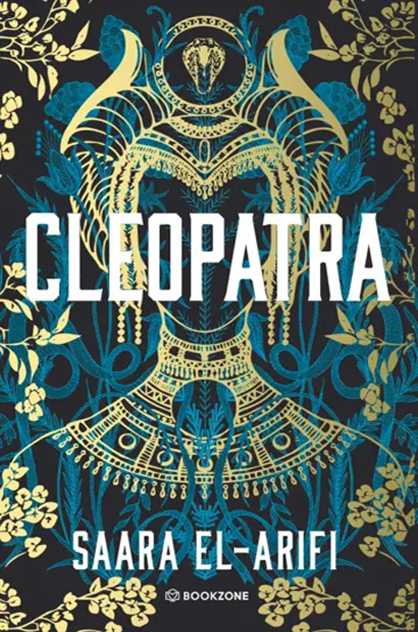
- Rating: ★★★★★
- Editura: Bookzone
- Traducere: Simona Berlovan
- Pagini: 480
- Goodreads: Cleopatra
- Poate fi cumpărată de aici: https://bookzone.ro/carte/cleopatra-bkz
„Cleopatra” de Saara El-Arifi a fost una dintre acele cărți pe care mă bucur enorm că am reușit să le descopăr. Mi-a plăcut foarte mult această lectură și cred că unul dintre cele mai frumoase lucruri pe care mi le-a oferit a fost ocazia de a privi mai atent viața uneia dintre cele mai cunoscute și, în același timp, cel mai des judecate femei din istorie. Am început cartea fiind atrasă de numele Cleopatrei și de misterul care pare să o înconjoare mereu, însă am terminat-o cu sentimentul că am descoperit o persoană mult mai complexă decât imaginea simplificată pe care o cunoșteam deja.
Saara El-Arifi alege să ne ofere o Cleopatra care își spune, în sfârșit, propria poveste. Ideea din spatele romanului mi s-a părut fascinantă: de-a lungul timpului, Cleopatra a fost privită și descrisă prin ochii altora. Unii au condamnat-o, alții au transformat-o într-o femeie misterioasă și periculoasă, iar poveștile despre iubirile ei au ajuns de multe ori să fie mai cunoscute decât realizările sau deciziile sale politice. În această carte, însă, ea nu mai este doar un personaj despre care vorbesc alții. Devine vocea principală și are șansa de a-și prezenta propria versiune asupra vieții, a alegerilor și a greșelilor sale. Romanul pornește astfel de la o întrebare care m-a urmărit pe tot parcursul lecturii: cine a fost, de fapt, Cleopatra, dincolo de toate legendele create în jurul numelui ei?
Povestea ne poartă printr-o perioadă plină de tensiuni, lupte pentru putere, alianțe fragile și trădări. Cleopatra nu este prezentată doar ca regina Egiptului, ci și ca o femeie care trebuie să învețe să supraviețuiască într-o lume în care fiecare decizie poate avea consecințe uriașe. Ea poartă pe umeri responsabilitatea unei țări, trebuie să își protejeze familia și copiii, să facă față celor care îi contestă dreptul de a conduce și, în același timp, să înțeleagă un joc politic în care Roma devine tot mai importantă. Am găsit foarte interesant felul în care cartea scoate în evidență legăturile dintre Egipt și Roma Antică. Personal, nu știam cât de apropiate și de complicate erau aceste relații și cât de mult puteau influența deciziile luate la Alexandria. A fost unul dintre numeroasele lucruri noi pe care le-am aflat pe parcurs și care au făcut lectura și mai captivantă pentru mine.
Cleopatra este construită ca un personaj foarte uman. Are ambiție și inteligență, dar are și frici, frustrări și momente în care pare copleșită de tot ceea ce se întâmplă în jurul ei. Mi-a plăcut mult această abordare, pentru că nu încearcă să o transforme într-o figură perfectă. Din contră, o vedem confruntându-se cu trădări, pierderi, presiunea tronului și cu sentimentul că, indiferent ce ar face, va exista întotdeauna cineva pregătit să îi interpreteze acțiunile în cel mai rău mod posibil. Mi s-a părut interesant să o urmăresc nu doar ca pe o conducătoare, ci și ca pe o persoană care încearcă să își găsească locul într-o lume dominată de bărbați și de reguli create, în mare parte, de aceștia.
Un aspect care mi-a rămas în minte este felul în care romanul vorbește despre imaginea Cleopatrei și despre modul în care istoria poate transforma un om într-o legendă, uneori fără să îi mai păstreze adevărata voce. În loc să fie apreciată pentru faptul că a înțeles politica și a încercat să își protejeze țara, ea a fost adesea redusă la povești despre frumusețea și capacitatea ei de seducție. În această versiune, Cleopatra pare să spună că nu a „sedus imperii”, ci a încercat să le înțeleagă și să le înfrunte. Este o diferență importantă și una dintre ideile care mi-au plăcut cel mai mult în această carte. De asemenea, romanul amintește de educația și inteligența ei, de faptul că vorbea mai multe limbi și că putea comunica cu oameni foarte diferiți, lucruri care arată o altă latură a acestei regine, mult mai interesantă decât imaginea clasică a unei simple femei fatale.
Cartea vorbește și despre relațiile care îi marchează viața, inclusiv despre iubire, familie și loialitate. Aceste legături nu sunt prezentate ca niște povești simple, ci sunt mereu influențate de putere și de responsabilitate. Sentimentele și politica ajung să se amestece, iar fiecare apropiere poate deveni, în același timp, o sursă de fericire și un posibil pericol. Relația cu Antoniu, de exemplu, are intensitate și pasiune, dar nu este lipsită de tensiune, pentru că iubirea lor există într-o lume în care ambii știu că alegerile personale pot schimba soarta unor imperii. Mi-a plăcut că romanul nu prezintă dragostea doar ca pe un refugiu, ci și ca pe ceva care poate complica și mai mult o viață deja plină de responsabilități.
Unul dintre cele mai mari puncte forte ale cărții este, pentru mine, stilul de scriere. Romanul este scris într-un mod foarte fluid și ușor de urmărit, iar paginile se citesc repede fără ca povestea să devină superficială. Chiar și atunci când apar informații istorice sau detalii despre politică, tradiții și viața din Egiptul Antic, nu am simțit că lectura devine greoaie. Dimpotrivă, am avut senzația că aflu constant ceva nou și că fiecare informație își găsește locul firesc în poveste. Tocmai de aceea cred că este o carte foarte potrivită și pentru cititorii care poate nu citesc de obicei romane istorice, dar sunt curioși să descopere această perioadă.
Pentru mine, „Cleopatra” este exact genul de carte în care ficțiunea și nonficțiunea se împletesc foarte frumos. Nu ai senzația că citești o simplă lecție de istorie, dar nici că trecutul este doar un decor pentru o poveste inventată. Evenimentele istorice, personajele reale și informațiile despre Egiptul Antic se combină cu imaginația autoarei pentru a crea o poveste vie și personală. Mi-a plăcut să citesc despre regina Egiptului și să descopăr detalii pe care nu le știam înainte, iar faptul că toate acestea sunt integrate într-un roman atât de accesibil a făcut experiența cu atât mai plăcută.
Am apreciat și mai mult cartea după ce am citit nota autoarei, care vorbește despre existența unui papirus scris în limba greacă elenistică și despre posibilitatea ca acesta să fi fost semnat chiar de Cleopatra. Ideea că ar putea exista un document prin care însăși faraoana ar fi lăsat câteva dintre propriile sale cuvinte mi se pare absolut fascinantă. Chiar dacă istoria nu ne poate oferi un răspuns sigur la toate întrebările legate de viața ei, acest roman pornește tocmai de la dorința de a umple, prin ficțiune, spațiile rămase goale și de a imagina cum ar fi fost dacă Cleopatra ar fi avut ocazia să își spună povestea fără ca altcineva să o întrerupă sau să o interpreteze.
În final, mă bucur foarte mult că am ajuns la această carte. A fost o lectură care mi-a oferit nu doar o poveste interesantă, ci și ocazia de a descoperi lucruri noi despre Cleopatra și despre lumea în care a trăit. Mi-a plăcut enorm felul în care a fost prezentată, atât ca personaj de roman, cât și ca persoană reală: inteligentă și ambițioasă, dar și vulnerabilă, obosită, uneori frustrată și obligată să facă față unor greutăți pe care puțini oameni le-ar putea înțelege. Trădările, presiunea, pierderile și responsabilitatea de a conduce un regat sunt elemente care îi dau profunzime și o fac să pară mult mai apropiată de cititor decât ne-am aștepta de la o regină devenită legendă.
Pentru mine, „Cleopatra” de Saara El-Arifi merită fără îndoială 5 stele. Este o carte captivantă, ușor de citit, dar plină de informații și idei interesante, care reușește să transforme o figură istorică celebră într-o voce pe care simți că vrei să o asculți până la capăt. Dacă vreți să descoperiți o altă perspectivă asupra Cleopatrei și să vedeți dincolo de imaginea creată de istorie, poeți și legende, atunci cred că această carte merită cu siguranță să fie citită. Pentru mine, a fost o adevărată plăcere să pătrund în lumea Egiptului Antic și să descopăr, pagină cu pagină, o Cleopatra care nu mai este doar „regina despre care știm cu toții câte ceva”, ci o femeie cu o poveste complexă, dureroasă și fascinantă, care merită să fie ascultată.


Cleopatra – Saara El-Arifi
“Cleopatra” by Saara El-Arifi was one of those books that I am incredibly glad I discovered. I truly enjoyed this read, and I think one of the most wonderful things it gave me was the opportunity to take a closer look at the life of one of the most famous and, at the same time, most frequently judged women in history. I started the book drawn in by Cleopatra’s name and the mystery that always seems to surround her, but I finished it feeling as though I had discovered a person far more complex than the simplified image I already knew.
Saara El-Arifi chooses to give us a Cleopatra who, at last, gets to tell her own story. I found the idea behind the novel fascinating: throughout history, Cleopatra has been viewed and described through the eyes of others. Some condemned her, others turned her into a mysterious and dangerous woman, and the stories of her romances often became better known than her achievements or political decisions. In this book, however, she is no longer simply a character others talk about. She becomes the main voice and has the chance to present her own version of her life, her choices, and her mistakes. The novel therefore begins with a question that stayed with me throughout the entire reading experience: who was Cleopatra really, beyond all the legends created around her name?
The story takes us through a period filled with tension, struggles for power, fragile alliances, and betrayals. Cleopatra is not portrayed merely as the queen of Egypt, but also as a woman who must learn how to survive in a world where every decision can have enormous consequences. She carries the responsibility of an entire country on her shoulders, has to protect her family and children, face those who challenge her right to rule, and at the same time understand a political game in which Rome becomes increasingly important. I found the way the book highlights the connections between Egypt and Ancient Rome particularly interesting. Personally, I did not know just how close and complicated these relationships were, or how much they could influence the decisions made in Alexandria. It was one of the many new things I learned throughout the book, and it made the reading experience even more captivating for me.
Cleopatra is written as a very human character. She has ambition and intelligence, but she also has fears, frustrations, and moments when she seems overwhelmed by everything happening around her. I really liked this approach because the novel does not try to turn her into a perfect figure. On the contrary, we see her dealing with betrayals, losses, the pressure of the throne, and the feeling that no matter what she does, there will always be someone ready to interpret her actions in the worst possible way. I found it interesting to follow her not only as a ruler, but also as a person trying to find her place in a world dominated by men and by rules created, for the most part, by them.
One aspect that stayed with me was the way the novel explores Cleopatra’s image and the way history can turn a person into a legend, sometimes without preserving their true voice. Instead of being appreciated for understanding politics and trying to protect her country, she was often reduced to stories about her beauty and her powers of seduction. In this version, Cleopatra seems to say that she did not “seduce empires,” but rather tried to understand and confront them. It is an important distinction, and one of the ideas I liked most in this book. The novel also reminds us of her education and intelligence, of the fact that she spoke several languages and could communicate with very different people—things that reveal another side of this queen, one far more interesting than the classic image of a simple femme fatale.
The book also explores the relationships that shape her life, including love, family, and loyalty. These connections are not presented as simple stories, but are always influenced by power and responsibility. Feelings and politics become intertwined, and every close relationship can become both a source of happiness and a potential danger. Her relationship with Antony, for example, is intense and passionate, but not without tension, because their love exists in a world where they both know that personal choices can change the fate of entire empires. I liked that the novel does not portray love merely as a refuge, but also as something that can further complicate a life already filled with responsibilities.
One of the book’s greatest strengths, for me, is its writing style. The novel is written in a very fluid and easy-to-follow way, and the pages go by quickly without the story ever becoming superficial. Even when historical information or details about politics, traditions, and life in Ancient Egypt appear, I never felt that the reading became heavy. On the contrary, I had the feeling that I was constantly learning something new and that every piece of information found its natural place within the story. That is precisely why I think this book is also very suitable for readers who may not usually read historical fiction but are curious to discover this period.
For me, “Cleopatra” is exactly the kind of book in which fiction and nonfiction blend together beautifully. You do not feel as though you are reading a simple history lesson, but neither does the past feel like nothing more than a backdrop for an invented story. Historical events, real characters, and information about Ancient Egypt are combined with the author’s imagination to create a vivid and personal story. I enjoyed reading about the queen of Egypt and discovering details I did not know before, and the fact that all of this is integrated into such an accessible novel made the experience even more enjoyable.
I appreciated the book even more after reading the author’s note, which mentions the existence of a papyrus written in Hellenistic Greek and the possibility that it may have been signed by Cleopatra herself. The idea that there could be a document through which the pharaoh herself left behind some of her own words is absolutely fascinating to me. Even though history cannot give us definite answers to every question surrounding her life, this novel begins precisely from the desire to fill, through fiction, the gaps that remain and to imagine what it might have been like if Cleopatra had been given the chance to tell her own story without someone else interrupting or interpreting her.
In the end, I am very glad I came across this book. It was a reading experience that gave me not only an interesting story, but also the opportunity to discover new things about Cleopatra and the world in which she lived. I absolutely loved the way she was portrayed, both as a fictional character and as a real person: intelligent and ambitious, but also vulnerable, tired, sometimes frustrated, and forced to face difficulties that few people could truly understand. The betrayals, the pressure, the losses, and the responsibility of ruling a kingdom are all elements that give her depth and make her seem much closer to the reader than we might expect from a queen who has become a legend.
For me, “Cleopatra” by Saara El-Arifi undoubtedly deserves 5 stars. It is a captivating and easy-to-read book, yet one that is full of interesting information and ideas, and that manages to transform a famous historical figure into a voice you feel compelled to listen to until the very end. If you want to discover a different perspective on Cleopatra and see beyond the image created by history, poets, and legends, then I definitely think this book is worth reading. For me, it was a true pleasure to step into the world of Ancient Egypt and discover, page by page, a Cleopatra who is no longer simply “the queen we all know something about,” but a woman with a complex, painful, and fascinating story—one that deserves to be heard.
