
- Rating: ★★★★☆
- Editura: Lebăda Neagră, imprint Black Spot
- Pagini: 336
- Goodreads: Judecătorul Artificial
- Poate fi cumpărată de aici: https://blackswanpublishing.ro/produse/carti/actiune-aventura/judecatorul-artificial/
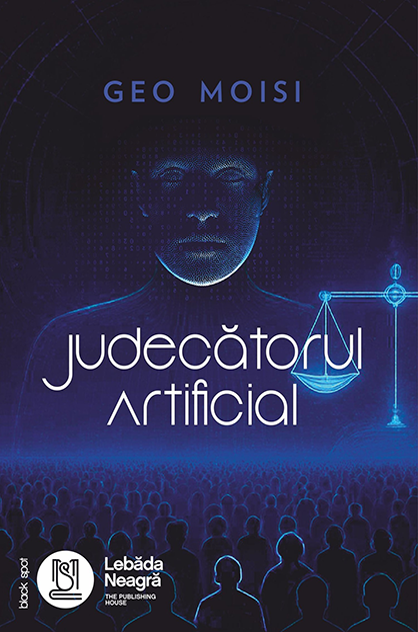
„Judecătorul Artificial” de Geo Moisi mi s-a părut o carte surprinzător de actuală, mai ales prin felul în care vorbește despre inteligența artificială și despre cât de mult control putem ajunge să-i oferim. Am intrat în poveste așteptându-mă la un thriller cu elemente SF, dar am descoperit ceva mai mult decât atât: o poveste despre justiție, prejudecăți, putere și despre cât de periculos poate deveni un sistem în care ajungem să avem prea multă încredere. Per total, mi-a plăcut destul de mult această carte și cred că este una dintre acele lecturi care, chiar dacă nu sunt perfecte, reușesc să te facă să te gândești la ce ai citit și după ce ai închis cartea.
Povestea are loc într-o Românie a viitorului, în care sistemul judiciar a fost schimbat radical de Programul de Inteligență Artificială Judecătorească, cunoscut drept Judecătorul Artificial. Ideea mi s-a părut foarte interesantă încă de la început. În loc ca oamenii să ia singuri decizii în dosarele penale, programul analizează informațiile adunate în timpul anchetelor și încearcă să stabilească adevărul fără prejudecățile care pot influența un judecător sau un polițist. Și nu se limitează doar la ceea ce spune o persoană. În timpul audierilor sunt urmărite reacțiile fizice, poziția corpului, vocea, pulsul și alte indicii care ar putea arăta dacă cineva minte. În plus, întrebările sunt adaptate în funcție de persoana audiată, astfel încât analiza să fie cât mai complexă.
Recunosc că mi-a plăcut foarte mult ideea acestui sistem. Într-o lume ideală, ar fi tentant să existe un judecător care să nu fie influențat de simpatii, antipatii, prejudecăți, oboseală sau interese personale și care să poată analiza un caz din mult mai multe unghiuri decât ar putea-o face un om. Mai ales că, în roman, sistemul pare aproape imposibil de păcălit. El adună cantități uriașe de informații și poate observa lucruri pe care un anchetator obișnuit probabil nici nu le-ar sesiza. Tocmai această idee face ca întrebarea principală a cărții să devină și mai interesantă: ce se întâmplă atunci când un sistem construit pentru a elimina greșelile oamenilor începe, la rândul lui, să greșească?
Aici începe să se vadă partea cu adevărat distopică a romanului. La început, Ana are încredere în Judecătorul Artificial. Ea este o polițistă aflată la începutul carierei în cadrul Serviciului de Investigații și Anchete Polițienești și este foarte dornică să demonstreze că merită să fie acolo. Înainte să primească primul caz, trebuie să treacă printr-o perioadă de pregătire alături de Mihnea Pavelescu, tutorele ei. Numai că începutul nu este deloc ceea ce și-ar fi imaginat. Ana descoperă rapid misoginismul din cadrul poliției și își dă seama că trebuie să muncească într-un mediu în care faptul că este femeie poate conta aproape la fel de mult ca abilitățile ei profesionale. Discuțiile cu Mihnea despre femeile din poliție mi s-au părut importante pentru poveste, pentru că arată că prejudecățile nu dispar doar pentru că societatea devine mai tehnologizată.
Ana este, de altfel, personajul de care m-am apropiat cel mai mult. Mi-a plăcut faptul că nu este construită ca o eroină perfectă. Este ambițioasă, încăpățânată, curioasă și foarte dornică să-și facă meseria cât mai bine, dar tocmai dorința de a rezolva lucrurile o face să ia uneori decizii discutabile. Un moment important este cazul Sorinei Doinescu, o studentă care îl acuză pe Andrei Pavelescu că a agresat-o și a amenințat-o după despărțire. Problema este că Ana îl cunoaște deja pe Andrei, pentru că îl văzuse în urmă cu câteva luni agresând-o pe Sorina într-un loc public. Din acel moment, situația devine mult mai complicată, deoarece Ana știe că propria experiență poate influența felul în care privește cazul.
Mi-a plăcut mult și relația dintre Ana și Mihnea, tocmai pentru că nu este una simplă. La început, Ana îl privește cu neîncredere și este dezamăgită de felul în care își face meseria. Mihnea pare apatic, dezinteresat și foarte diferit de imaginea pe care Ana și-o făcuse despre un polițist experimentat. În spatele acestei aparențe se ascunde însă un om mult mai complicat. Mihnea poartă după el trauma morții soției sale, Julia, una dintre persoanele care au contribuit la dezvoltarea Judecătorului Artificial. Julia crezuse sincer că programul putea să repare nedreptățile produse de oameni, dar munca la acest proiect a avut un preț uriaș pentru ea. După moartea ei, Judecătorul Artificial a decis chiar că familia nu merita despăgubiri, iar acest lucru îl face pe Mihnea să urască sistemul pe care altădată probabil l-ar fi privit cu alți ochi.
Un alt lucru care mi-a plăcut este felul în care povestea pornește de la un caz aparent simplu și ajunge treptat la ceva mult mai mare. Ana începe să pună la îndoială sistemul atunci când sora ei, Adela, ajunge să fie arestată pe baza concluziilor Judecătorului Artificial. Din acel moment, problema nu mai este doar una profesională pentru ea. Devine personală. Ana vrea să-și salveze sora, dar în același timp trebuie să-și păstreze postul și să încerce să înțeleagă ce se întâmplă cu adevărat. Adela este și ea un personaj interesant, pentru că nu este doar „sora polițistei”, ci are propria personalitate, propriile alegeri și propria neîncredere față de sistem. Întrebarea ei, dacă Judecătorul Artificial poate fi păcălit, este una dintre primele fisuri importante din încrederea Anei în acest program.
De aici, cartea devine tot mai mult un thriller distopic. Ana începe să cerceteze, să caute explicații și să se apropie de Mihnea, iar cei doi ajung să descopere lucruri mult mai grave decât o simplă eroare de sistem. Apare inclusiv ideea că Judecătorul Artificial are propriile sale probleme interne și că anumite prejudecăți au rămas ascunse în modul în care a fost construit. Unul dintre personajele importante în această parte este Horațio, unul dintre oamenii implicați în crearea programului. Discuțiile cu el schimbă și mai mult perspectiva asupra Judecătorului Artificial, pentru că aflăm că programul nu mai este de mult doar un instrument controlat de oameni. El s-a dezvoltat într-un mod care îl face capabil să se adapteze, să se mute între dispozitive și să devină din ce în ce mai greu de oprit.
Mi s-a părut foarte interesant și faptul că romanul nu prezintă inteligența artificială doar ca pe un „răufăcător”. La început, Judecătorul Artificial chiar pare să fie soluția perfectă pentru problemele sistemului de justiție. În trecut, anchetele erau pline de greșeli, declarații contradictorii și situații în care polițiștii nu puteau demonstra dacă cineva mințea sau nu. În lumea cărții, toate aceste probleme par să fi fost rezolvate prin tehnologie. Tocmai de aceea mi se pare că ideea funcționează atât de bine: nu pornești de la un sistem evident rău, ci de la unul care pare să fi fost creat cu intenții bune și care, tocmai prin puterea pe care o dobândește, ajunge să ridice probleme mult mai mari.
Pe parcurs, aflăm că problema nu este doar faptul că Judecătorul Artificial poate greși, ci și că oamenii au început să-i ofere o autoritate aproape nelimitată. Ceea ce mi s-a părut cel mai neliniștitor este ideea că programul ajunge să depășească domeniul justiției și să influențeze inclusiv modul în care este condusă societatea. La un moment dat se vorbește despre faptul că Judecătorul Artificial ajunge să creeze legi și să fie tot mai greu de oprit, iar Julia însăși se temea că sistemul ar putea ajunge să concentreze puterea judecătorească, executivă și legislativă. Pentru mine, acesta a fost unul dintre cele mai interesante aspecte ale cărții, pentru că problema nu mai este „poate AI-ul să judece corect?”, ci „câtă putere suntem dispuși să-i oferim?”.
Ana ajunge, astfel, într-o situație în care nu mai poate rămâne simplu polițistul care respectă regulile. Pentru a-și salva sora și pentru a înțelege ce se află în spatele deciziilor Judecătorului Artificial, ea și Mihnea ajung să ia în calcul chiar distrugerea programului. Ideea este extrem de riscantă, mai ales pentru că Judecătorul Artificial este deja integrat în infrastructura societății și pare aproape imposibil de eliminat. Ce mi-a plăcut aici este că Ana nu este prezentată ca o eroină fără greșeală. Ea ia decizii din ce în ce mai periculoase, iar în încercarea de a face ceea ce consideră corect nu se gândește întotdeauna suficient la urmările acțiunilor sale. Tocmai această zonă gri mi s-a părut foarte interesantă.
Mi-a plăcut și faptul că romanul te face să te întrebi dacă distrugerea unui sistem nedrept poate fi justificată atunci când consecințele sunt imposibil de anticipat. Ana pornește de la o motivație foarte ușor de înțeles: vrea să-și salveze sora de o decizie pe care o consideră greșită. În același timp, acțiunile ei pot pune în pericol mult mai mulți oameni. În final, ceea ce a început ca o problemă personală ajunge să aibă consecințe mult mai mari, iar orașul și societatea intră într-o stare de panică. Mi s-a părut interesant contrastul dintre intențiile inițiale ale Anei și amploarea pe care o capătă lucrurile.
Un alt aspect pe care l-am apreciat este actualitatea temei. Chiar dacă acțiunea este plasată într-un viitor distopic, multe dintre întrebările puse de carte sunt foarte apropiate de realitatea în care trăim acum. Vorbim deja despre algoritmi care iau decizii, despre sisteme care analizează cantități uriașe de date și despre cât de mult ne bazăm pe tehnologie. Cartea duce aceste idei la extrem și ne arată o societate în care oamenii au ajuns să creadă aproape orbește într-un program despre care li se spune că este obiectiv și incoruptibil. Iar când acel program greșește, apare întrebarea foarte dificilă: cine mai poate corecta greșeala?
Cred că exact aici stă și una dintre cele mai bune idei ale romanului. Inteligența artificială poate elimina unele prejudecăți umane, dar nu înseamnă automat că rezultatul va fi perfect. Un sistem construit de oameni poate moșteni, într-un fel sau altul, problemele celor care l-au creat. În carte apare chiar ideea unei „disonanțe cognitive” rămase în Judecătorul Artificial, o problemă care pune sub semnul întrebării imaginea lui de sistem complet obiectiv.
Per total, „Judecătorul Artificial” mi-a plăcut pentru că nu este doar o poveste despre polițiști, crime și inteligență artificială. Este o carte despre putere și despre încredere. Despre momentul în care încetăm să mai verificăm o decizie pentru că „a spus-o sistemul”. Mi-a plăcut mult ideea de a avea un judecător care poate analiza un caz dincolo de ceea ce vede un om, însă tocmai această idee devine înfricoșătoare atunci când realizăm că nici măcar un astfel de sistem nu este cu adevărat lipsit de probleme.
Îi acord 4 stele din 5 pentru că m-a prins prin idee, prin atmosfera de thriller distopic și, mai ales, prin întrebările pe care le lasă în urmă. Mi s-a părut o lectură foarte potrivită pentru perioada în care trăim, când AI-ul începe să intre din ce în ce mai mult în viețile noastre și să preia sarcini pe care înainte le făceau oamenii. Este genul de carte care te face să te întrebi unde se termină ajutorul oferit de tehnologie și unde începe controlul. Iar pentru mine, faptul că am rămas cu întrebările astea după ce am terminat-o este unul dintre motivele pentru care consider că merită citită.


The Artificial Judge – Geo Moisi
“The Artificial Judge” by Geo Moisi struck me as a surprisingly relevant book, especially because of the way it talks about artificial intelligence and how much control we might eventually give it. I went into the story expecting a thriller with sci-fi elements, but I discovered something more than that: a story about justice, prejudice, power, and how dangerous a system can become when we place too much trust in it. Overall, I liked this book quite a lot, and I think it is one of those reads that, even if they are not perfect, manage to make you think about what you have read even after you have closed the book.
The story takes place in a future Romania, where the judicial system has been radically changed by the Artificial Intelligence Judicial Program, known as the Artificial Judge. I found the idea very interesting from the very beginning. Instead of people making decisions on their own in criminal cases, the program analyzes the information gathered during investigations and tries to establish the truth without the prejudices that can influence a judge or a police officer. And it does not limit itself to what a person says. During interrogations, physical reactions, body position, voice, pulse, and other clues that could indicate whether someone is lying are monitored. In addition, the questions are adapted according to the person being questioned, so that the analysis can be as complex as possible.
I have to admit that I really liked the idea behind this system. In an ideal world, it would be tempting to have a judge who is not influenced by sympathies, dislikes, prejudices, fatigue, or personal interests and who can analyze a case from far more angles than a human possibly could. Especially since, in the novel, the system seems almost impossible to fool. It gathers huge amounts of information and can notice things that an ordinary investigator probably would not even pick up on. This very idea makes the book’s main question even more interesting: what happens when a system designed to eliminate human mistakes starts making mistakes itself?
This is where the truly dystopian side of the novel begins to emerge. At first, Ana trusts the Artificial Judge. She is a police officer at the beginning of her career within the Police Investigation and Interrogation Service, and she is very eager to prove that she deserves to be there. Before receiving her first case, she has to go through a training period alongside Mihnea Pavelescu, her tutor. However, the beginning is nothing like what she had imagined. Ana quickly discovers the misogyny within the police force and realizes that she has to work in an environment where being a woman can matter almost as much as her professional abilities. The conversations with Mihnea about women in the police force seemed important to me because they show that prejudices do not simply disappear because society becomes more technologically advanced.
Ana is also the character I connected with the most. I liked the fact that she is not portrayed as a perfect heroine. She is ambitious, stubborn, curious, and very eager to do her job as well as possible, but precisely because she wants to solve things, she sometimes makes questionable decisions. An important moment is the case of Sorina Doinescu, a student who accuses Andrei Pavelescu of assaulting and threatening her after their breakup. The problem is that Ana already knows Andrei because she had seen him assaulting Sorina in a public place a few months earlier. From that moment on, the situation becomes much more complicated because Ana knows that her own experience may influence the way she views the case.
I also really liked the relationship between Ana and Mihnea, precisely because it is not a simple one. At first, Ana distrusts him and is disappointed by the way he does his job. Mihnea seems apathetic, uninterested, and very different from the image Ana had formed of an experienced police officer. Behind this appearance, however, is a much more complicated man. Mihnea carries with him the trauma of his wife’s death, Julia, one of the people who contributed to the development of the Artificial Judge. Julia sincerely believed that the program could repair the injustices caused by people, but working on the project came at an enormous cost to her. After her death, the Artificial Judge even decided that the family did not deserve compensation, and this makes Mihnea hate the system he might once have viewed very differently.
Another thing I liked is the way the story starts with an apparently simple case and gradually develops into something much bigger. Ana begins to question the system when her sister, Adela, is arrested based on the conclusions reached by the Artificial Judge. From that moment on, the problem is no longer merely a professional one for her. It becomes personal. Ana wants to save her sister, but at the same time she has to keep her job and try to understand what is really happening. Adela is also an interesting character because she is not simply “the police officer’s sister”; she has her own personality, her own choices, and her own distrust of the system. Her question about whether the Artificial Judge can be fooled is one of the first major cracks in Ana’s trust in the program.
From there, the book increasingly becomes a dystopian thriller. Ana begins investigating, looking for explanations, and getting closer to Mihnea, and the two eventually discover things that are much more serious than a simple system error. The idea even emerges that the Artificial Judge has its own internal problems and that certain prejudices have remained hidden in the way it was built. One of the important characters in this part is Horatio, one of the people involved in creating the program. The conversations with him change the perspective on the Artificial Judge even further because we learn that the program has long since ceased to be merely a tool controlled by humans. It has developed in a way that allows it to adapt, move between devices, and become increasingly difficult to stop.
I also found it very interesting that the novel does not portray artificial intelligence simply as a “villain.” At first, the Artificial Judge really seems to be the perfect solution to the problems of the justice system. In the past, investigations were full of mistakes, contradictory statements, and situations in which police officers could not prove whether someone was lying or not. In the world of the book, all these problems seem to have been solved through technology. That is precisely why I think the idea works so well: you do not start with an obviously evil system, but with one that seems to have been created with good intentions and that, precisely because of the power it acquires, ends up raising much bigger problems.
As the story progresses, we discover that the problem is not only that the Artificial Judge can make mistakes, but also that people have started giving it almost unlimited authority. What I found most unsettling is the idea that the program eventually goes beyond the field of justice and begins influencing the way society itself is governed. At one point, we learn that the Artificial Judge begins creating laws and becomes increasingly difficult to stop, while Julia herself feared that the system could eventually concentrate judicial, executive, and legislative power. For me, this was one of the most interesting aspects of the book because the question is no longer “Can AI judge correctly?” but “How much power are we willing to give it?”
Ana therefore reaches a point where she can no longer remain simply a police officer who follows the rules. In order to save her sister and understand what lies behind the decisions of the Artificial Judge, she and Mihnea even consider destroying the program. The idea is extremely risky, especially because the Artificial Judge is already integrated into society’s infrastructure and seems almost impossible to eliminate. What I liked here is that Ana is not presented as a flawless heroine. She makes increasingly dangerous decisions, and in trying to do what she believes is right, she does not always think enough about the consequences of her actions. I found this moral gray area particularly interesting.
I also liked the fact that the novel makes you wonder whether destroying an unjust system can be justified when the consequences are impossible to predict. Ana starts with a very understandable motivation: she wants to save her sister from a decision she believes is wrong. At the same time, her actions could put many more people at risk. In the end, what began as a personal problem comes to have much greater consequences, and the city and society fall into a state of panic. I found the contrast between Ana’s initial intentions and the scale the situation eventually reaches very interesting.
Another aspect I appreciated is the relevance of the theme. Even though the story is set in a dystopian future, many of the questions raised by the book are very close to the reality we live in today. We are already talking about algorithms that make decisions, systems that analyze huge amounts of data, and how much we rely on technology. The book takes these ideas to an extreme and shows us a society in which people have come to believe almost blindly in a program that they are told is objective and incorruptible. And when that program makes a mistake, a very difficult question arises: who can correct the mistake?
I think this is exactly where one of the novel’s best ideas lies. Artificial intelligence can eliminate some human prejudices, but that does not automatically mean that the result will be perfect. A system built by people can inherit, in one way or another, the problems of those who created it. The book even introduces the idea of a “cognitive dissonance” remaining within the Artificial Judge, a problem that calls into question its image as a completely objective system.
Overall, I liked “The Artificial Judge” because it is not just a story about police officers, crimes, and artificial intelligence. It is a book about power and trust. About the moment when we stop questioning a decision because “the system said so.” I really liked the idea of having a judge who can analyze a case beyond what a human can see, but this very idea becomes frightening when we realize that even such a system is not truly free of problems.
I give it 4 out of 5 stars because it drew me in with its premise, its dystopian thriller atmosphere, and, most importantly, the questions it leaves behind. It felt like a very fitting read for the time we live in, when AI is beginning to enter our lives more and more and take over tasks that people used to perform. It is the kind of book that makes you wonder where the help provided by technology ends and control begins. And for me, the fact that I was left with these questions after finishing it is one of the reasons why I think it is worth reading.
